
SKF Rod End Equivalents Cross-Brand Wholesale Supplier
- Опубликовано:
- Рубрика: Brands & Alternatives
- Автор: Process Equipment Company

Secure reliable SKF rod end equivalents by matching exact dimensions and internal clearance across brands like FAG, INA, and ZWZ. This cross-reference guide helps MRO operators cut lead times and costs without compromising uptime. Verify specifications to unlock global inventory for urgent field replacements.
A part number match does not guarantee a functional replacement.
Exact dimensional and clearance matching across brands such as SKF, FAG, INA, and ZWZ ensures reliable field replacements, cutting MRO costs and lead times without compromising uptime. The critical factors are internal clearance classes and dynamic load ratings, not just the brand logo on the housing.
The humid air in a palm oil mill in Sumatra carries a specific weight, heavy with moisture and the scent of fermenting fruit. It is an environment that eats metal for breakfast. I remember standing next to a massive press line that had gone silent. The maintenance manager was frantic, pointing at a seized rod end joint. He needed an SKF unit, the original specification. The local distributor quoted a lead time of weeks. The production loss per hour was staggering. I pulled out a caliper and a feeler gauge, ignoring the brand name on the broken part. I measured the bore, the outer diameter, and critically, the radial internal clearance. It matched an INA equivalent sitting in my van, intended for a different job. We installed it. The line roared back to life within the hour. That day taught me that in urgent MRO scenarios, physics matters more than pedigree.
This approach is not about cutting corners. It is about understanding that SKF rod end equivalents exist across multiple reputable manufacturers. When you know how to verify the specifications, you unlock a global inventory pool that can save your operation from extended downtime.
Why Cross-Reference SKF Rod Ends?
The traditional procurement model assumes that if a machine was built with an SKF bearing, it must always be replaced with an SKF bearing. This mindset creates single points of failure in the supply chain. When a specific SKU is out of stock globally, the entire maintenance schedule collapses.
Cross-referencing is the strategic alternative. It involves identifying bearings from other ISO-compliant manufacturers that meet the same dimensional and performance criteria. The primary driver is urgency. In mining or heavy manufacturing, waiting for a single-brand shipment is often more expensive than the part itself. By validating SKF rod end equivalents from brands like FAG or INA, operators can tap into spot inventory held by diversified suppliers.
Cost optimization is the second pillar. Premium brands carry a price premium for their R&D and marketing. For non-critical linkages where the load profiles are standard, a high-quality alternative offers the same service life at a lower acquisition cost. However, this requires rigorous verification. You cannot simply swap parts based on a catalog number similarity. The internal geometry, particularly the spherical diameter and the raceway curvature, must align perfectly to prevent edge loading and premature wear.
The key is to view the bearing as a set of physical parameters rather than a branded product. When you shift this perspective, you gain flexibility. You are no longer dependent on one supplier’s warehouse. You become a hunter of specifications, capable of sourcing SKF rod end equivalents from any available stock worldwide.
Dimensional & Load Matrix: SKF vs. FAG/INA
To substitute safely, you need a clear comparison framework. The most common error is focusing only on the external dimensions: bore diameter (d), outer diameter (D), and width (B). While these are essential for fit, they do not guarantee performance. The internal clearance and load ratings are equally vital.
Below is a qualitative comparison matrix for standard series rod ends. Note that exact values vary by specific sub-series and should always be verified against the manufacturer’s current datasheet.
| Parameter | SKF Standard Series | FAG/INA Equivalent Series | Verification Focus |
|---|---|---|---|
| Dimensional Tolerance | ISO Normal Class | ISO Normal Class | Match d, D, B tolerances exactly. |
| Internal Clearance | C0 (Standard) | C0 (Standard) | Verify radial play before installation. |
| Dynamic Load Rating (C) | High | Comparable | Check for slight variations in C value. |
| Static Load Rating (C0) | High | Comparable | Ensure C0 meets peak load requirements. |
| Material Composition | Bearing Steel | Bearing Steel | Confirm material grade equivalence. |
| Lubrication Feature | Grease Nipple | Grease Nipple | Ensure thread compatibility. |
In a recent project for a cement plant in Southeast Asia, we faced an urgent overhaul requirement. The specified SKF units were unavailable. We proposed FAG equivalents after running this matrix. The dimensional tolerances matched within microns. The dynamic load ratings were nearly identical. The plant engineer was hesitant, worried about the "brand drop." We showed him the datasheets side by side. The numbers spoke louder than the logos. We supplied the mixed-brand package, and the procurement cycle was cut in half.
The trap to avoid is assuming identical part numbers mean identical internal clearance. A standard clearance (C0) in one brand might have a slightly different tolerance range than another. Always measure the radial play. If the application involves high vibration or shock loads, even a small deviation in clearance can lead to fretting corrosion.
When evaluating SKF rod end equivalents, never skip the load rating check. If the alternative has a lower dynamic load rating, it may fail prematurely under the same operating conditions. Conversely, a higher rating is generally safe, provided the dimensions fit.
Integrating Reliable Domestic Alternatives
For many applications, especially in non-critical linkages, premium European brands are not strictly necessary. Chinese manufacturers like ZWZ and HRB have significantly improved their quality control and production capabilities. They offer viable SKF rod end equivalents that can reduce costs substantially without sacrificing reliability.
The misconception is that domestic bearings are inherently inferior. While this may have been true decades ago, modern facilities operate with CNC precision and automated heat treatment lines. The key is selection. Not every domestic batch is equal. You must source from manufacturers who adhere to ISO standards and provide traceable quality documentation.
In a mining excavator repair case, the client needed to replace multiple rod ends on the bucket linkage. These are high-wear areas, but the loads are well-defined. We sourced ZWZ units that matched the SKF dimensions and clearance classes. The cost savings were significant, allowing the client to stock more spares for future use. The performance has been monitored for over a year, with no signs of premature wear. The clearance remained stable, proving that the material hardness and raceway finish were adequate for the application.
However, caution is required. Domestic alternatives are best suited for standard applications. For high-precision or extreme environment tasks, such as high-speed spindles or corrosive chemical processing, sticking to premium brands like SKF, FAG, or NSK is advisable. The consistency of premium brands in specialized materials and seals is hard to replicate.
When integrating domestic options, always request sample testing. Measure the runout and check the smoothness of rotation. A simple hand-test can reveal roughness that indicates poor grinding quality. If the movement is gritty, reject the batch. Smooth, consistent motion is a basic indicator of good manufacturing practice.
Sourcing SKF rod end equivalents from domestic lines requires a trusted supplier who can vet the factory output. Do not buy blind. Demand test reports for hardness and dimensional accuracy. This due diligence turns a risky gamble into a calculated cost-saving strategy.
Verification Checklist for Field Substitution
Before installing any cross-brand replacement, follow this verification checklist. It is designed to prevent the common failures associated with improper substitution. This process takes minutes but saves hours of troubleshooting later.
- Dimensional Check: Use a calibrated micrometer to measure the bore (d) and outer diameter (D). Compare these with the original part’s specifications. Even a few microns of deviation can cause fit issues.
- Clearance Verification: Measure the radial internal clearance. Use a feeler gauge or a dial indicator. Ensure it falls within the acceptable range for the application. Standard clearance (C0) is typical, but some applications require C3.
- Load Rating Comparison: Check the dynamic (C) and static (C0) load ratings in the datasheet. Ensure the alternative meets or exceeds the original specifications. Do not accept a lower rating.
- Lubrication Compatibility: Verify the type of lubrication required. Some rod ends are pre-lubricated, while others require regular greasing. Ensure the grease nipple thread matches your existing tools.
- Material Inspection: Visually inspect the raceway and ball. Look for signs of poor finishing, such as grinding marks or discoloration. The surface should be smooth and uniform.
A common mistake is ignoring the fit of the housing. If the outer diameter is slightly oversized, it can distort the housing bore, leading to uneven load distribution. Always check the fit before final assembly. If the part requires forceful insertion, stop and re-measure.
Another pitfall is mismatched lubrication. Using a heavy grease in a bearing designed for light oil can increase friction and temperature. Conversely, insufficient lubrication leads to rapid wear. Always follow the manufacturer’s recommendation for the specific series.
By following this checklist, you ensure that your SKF rod end equivalents perform as expected. It transforms the substitution process from a guess into a controlled engineering decision. This rigor is what separates professional MRO operations from amateur repairs.
Conclusion
Reliable equipment maintenance depends on specifications, not just brands.
Understanding how to identify and verify SKF rod end equivalents empowers you to manage supply chain risks and reduce costs. By focusing on dimensional accuracy, internal clearance, and load ratings, you can confidently substitute brands like FAG, INA, or ZWZ when necessary. This approach minimizes downtime and optimizes your MRO budget without compromising safety or performance. Always verify, always measure, and keep your lines moving.
Материал подготовлен Process Equipment Company — поставщиком подшипников SKF для насосов, компрессоров и технологического оборудования. Заказ определяется полным обозначением SKF по исходной спецификации оборудования.
Подшипники SKF, упомянутые в статье
Позиции каталога, о которых идёт речь в материале. Откройте карточку, чтобы проверить обозначение и запросить цену.
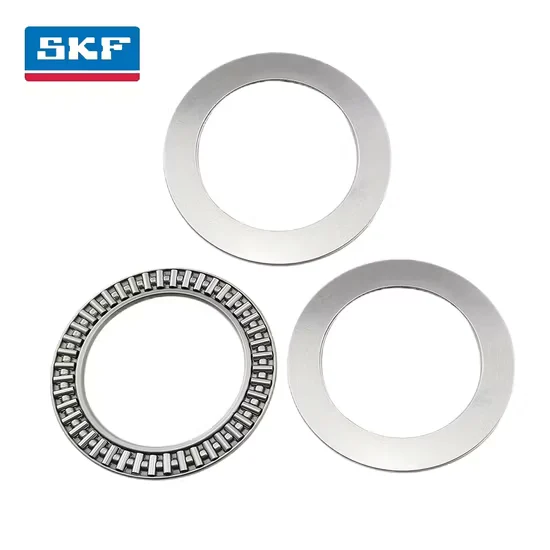 Роликоподшипники упорные SKF 29264 81148-M 29420 E/Vq096 упорковые роликоподшипники для смесителей Открыть карточку
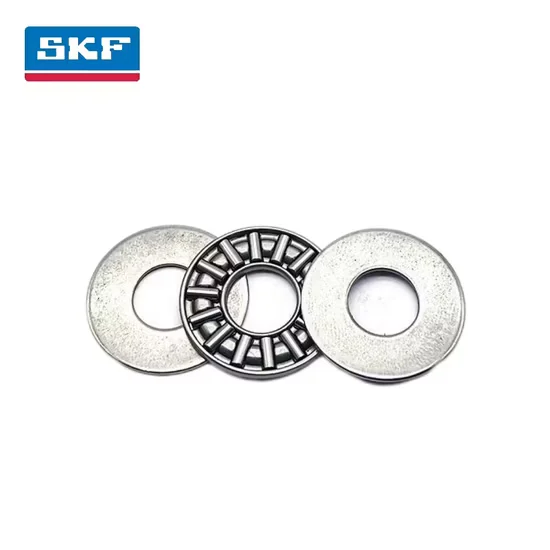 Подшипники шпинделей станков SKF 29330-E сферический роликовый упорный подшипник оригинал Открыть карточку
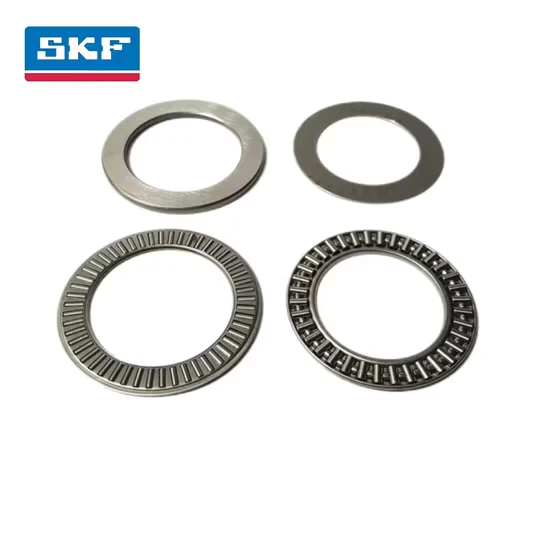 Роликоподшипники упорные SKF AXW 20 / 29348 E/VU029 / 81134 TN осевой подшипник оригинал Открыть карточку
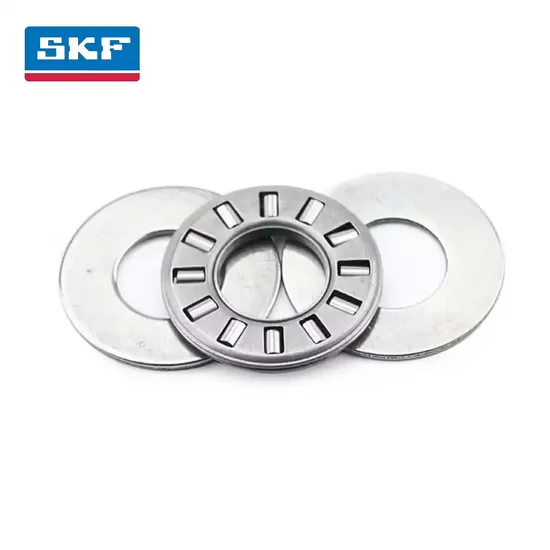 Роликоподшипники упорные SKF 29348 E оригинальный упорный сферический роликоподшипник Открыть карточку
Читайте также
Материалы об идентификации подшипников и закупке для капитального ремонта насосов и компрессоров.
 22 сентября, 2026 · Brands & Alternatives SKF Specialty Product Lines: Genuine Wholesale Supplier for Bulk Orders Secure genuine SKF specialty product lines with strict traceability verification to prevent costly customs delays and production downtime. Align HS codes precisely and validate… Читать статью
 22 сентября, 2026 · Brands & Alternatives Maintenance-Free vs Greased Plain Bearings Wholesale Supplier Selecting between Maintenance-Free vs Greased Plain Bearings depends on site dust levels and relubrication feasibility rather than a blanket preference. Greased spherical plain bearings… Читать статью
 22 сентября, 2026 · Brands & Alternatives Linear Guides vs Linear Bushings: Wholesale Supplier for Bulk Orders Choosing between Linear Guides vs Linear Bushings prevents costly downtime in harsh mining and cement environments. While guides offer precision, bushings tolerate dust ingress… Читать статью

Соберите подшипники для ремонта насоса и компрессора в один запрос
Process Equipment Company принимает одиночные позиции, полные ремонтные ведомости и подшипники вспомогательного оборудования. В ответ вы получаете письменное предложение по каждой позиции: обозначение, количество, цена и валюта, наличие, срок поставки.
- Модель насоса или компрессора, узел, комплектование, сепаратор и зазор
- Обозначение неполное — приложите чёткое фото маркировки
- Количество по позициям, страна и индекс доставки, требуемая дата поставки
Отправьте перечень на расчёт
Четыре поля — и запрос у менеджера.