
Global Bearing Supplier: Genuine SKF, FAG, NSK Wholesale & Bulk
- Опубликовано:
- Рубрика: Procurement & Trade FAQs
- Автор: Process Equipment Company

Selecting the right Payment Terms for Global Buyers balances supplier risk with cash flow by matching methods like T/T and L/C to order value. Avoid costly customs delays by prioritizing document accuracy over financial instruments, ensuring smooth clearance for both bulk shipments and urgent MRO replacements.
The safest payment term is not always the one that protects your money best; sometimes, it is the one that gets your machine running again.
For global buyers sourcing industrial bearings, the optimal payment strategy balances supplier risk with buyer cash flow by matching the method to order value and urgency. Standard bulk shipments typically utilize Letters of Credit (L/C) or Telegraphic Transfer (T/T) with a deposit, while urgent MRO replacements often require 100% T/T in advance to bypass banking delays. The critical factor is not just the financial instrument, but the absolute accuracy of shipping documents to prevent customs holds and demurrage charges.
Selecting the right Payment Terms for Global Buyers requires looking beyond the bank fees. It demands an understanding of how documentation errors can turn a secure transaction into a logistical nightmare. When I managed shipments to Latin America, I learned that a minor discrepancy in weight on a bill of lading could halt a container at the port for weeks. This reality shapes how we approach every inquiry, ensuring that the financial terms align with the physical realities of international logistics.
What Are the Most Common Payment Terms in Bearing Trade?
T/T, L/C, and D/P each serve different order sizes, trust levels, and regional banking habits.
In the global bearing market, no single payment method fits all scenarios. Buyers must choose based on the volume of the order and the established relationship with the supplier. Telegraphic Transfer (T/T) is the most common for its speed and simplicity. It usually involves a deposit paid before production or shipment, with the balance paid against the copy of the Bill of Lading. This method is efficient for standard batches where trust has been established.
Letters of Credit (L/C) are preferred for high-value container consolidations. They provide security for both parties by involving banks as intermediaries. However, L/Cs are document-heavy. Any mismatch between the credit terms and the presented documents can lead to rejection or delays. Documents against Payment (D/P) offers a middle ground, where the buyer pays upon presentation of documents, but it carries higher risk for the seller if the buyer refuses to pay after goods arrive.
| Payment Method | Best For | Risk Profile | Document Sensitivity |
|---|---|---|---|
| T/T (Deposit + Balance) | Standard batches, established trust | Moderate for buyer | Low |
| L/C at Sight | High-value containers, new relationships | Low for both | Very High |
| D/P | Medium value, trusted regions | High for seller | Moderate |
Understanding these options helps buyers navigate Payment Terms for Global Buyers effectively. A Middle East wholesaler once opted for an irrevocable L/C for a large order of spherical roller bearings. The process was smooth until a minor typo in the HS code caused a discrepancy. The bank held the documents, delaying the release of goods. This incident highlights that while L/Cs offer financial security, they demand rigorous attention to detail.
How to Balance Cash Flow and Risk for Bulk Orders?
Matching payment methods to order value optimizes capital turnover and minimizes exposure.
For distributors stocking multi-brand bearings, cash flow is king. Locking up capital in large letters of credit can strain liquidity, while paying fully in advance exposes the buyer to supply risk. The key is to segment orders by value and urgency. For bulk project orders involving full container consolidation, L/Cs are standard. They protect the buyer’s deposit and ensure the supplier meets shipping deadlines.
However, for regular replenishment of fast-moving items like deep-groove ball bearings, T/T with a partial deposit is more efficient. It reduces banking fees and accelerates the release of goods. A regional distributor in Southeast Asia found that switching from L/C to T/T for recurring small-batch orders reduced their administrative overhead significantly. This shift allowed them to respond faster to local market demands without tying up funds in bank guarantees.
When negotiating Payment Terms for Global Buyers, consider the total cost of ownership. This includes not just the price of the bearings, but also the banking fees, currency exchange risks, and potential demurrage costs from delays. A balanced approach might involve using L/Cs for new suppliers or large initial orders, then transitioning to T/T as trust builds. This strategy protects both parties while maintaining operational efficiency.
Why Document Accuracy Matters More Than the Payment Method?
A minor weight mismatch in L/C docs can trigger customs holds, turning a secure payment into a costly demurrage nightmare.
Many buyers assume that once the payment term is secured, the transaction is safe. This is a dangerous misconception. In international trade, the documents are the goods. If the Bill of Lading, Commercial Invoice, or Packing List does not match the Letter of Credit exactly, the bank will refuse payment. Worse, customs authorities may detain the cargo for inspection.
I recall a shipment of NSK self-aligning roller bearings destined for a mining client in Mexico. The bearings were genuine, and the payment was secured via L/C. However, the gross weight on the bill of lading differed by a negligible amount from the packing list due to a rounding error. Customs at Manzanillo Port flagged the discrepancy. The container was held for verification, causing a significant delay. The client needed these parts urgently to repair a crusher, and the demurrage charges accumulated daily.
This experience underscores that Payment Terms for Global Buyers are only as strong as the paperwork supporting them. Strict adherence to document compliance is non-negotiable. Checklists should include verifying part numbers, HS codes, country of origin, and exact weights. Even a small error can lead to weeks of delay, costing far more than the initial savings from a favorable payment term.
How to Negotiate Flexible Terms for Urgent MRO Needs?
For emergency spare parts, simpler T/T terms bypass banking delays, minimizing unplanned production downtime.
When a machine breaks down, time is the most critical factor. Traditional payment methods like L/Cs can take days or weeks to process, which is unacceptable for urgent MRO needs. In these scenarios, 100% T/T in advance is often the most practical solution. While it seems risky for the buyer, it secures immediate dispatch from spot inventory.
A steel plant operator in Europe faced an unexpected failure in their rolling mill. They needed specific cylindrical roller bearings immediately. Waiting for an L/C would have meant days of lost production. By agreeing to 100% T/T, they secured the parts from stock, and the shipment was dispatched within hours. The cost of the bearings was negligible compared to the revenue lost from downtime.
Negotiating Payment Terms for Global Buyers for urgent orders requires flexibility. Suppliers with large spot inventories can offer faster dispatch in exchange for quicker payment. Buyers should assess the reliability of the supplier and the criticality of the parts. For trusted suppliers with verifiable stock, prepayment is a viable strategy to ensure business continuity. This approach shifts the focus from financial protection to operational resilience.
Conclusion
Secure payments mean nothing if the goods do not clear customs on time.
Choosing the right payment method involves balancing financial security with operational efficiency. Whether using L/Cs for bulk orders or T/T for urgent replacements, accuracy in documentation is paramount. Buyers must prioritize clarity and compliance to avoid costly delays. By aligning Payment Terms for Global Buyers with their specific logistical needs, companies can ensure smooth transactions and uninterrupted operations.
Материал подготовлен Process Equipment Company — поставщиком подшипников SKF для насосов, компрессоров и технологического оборудования. Заказ определяется полным обозначением SKF по исходной спецификации оборудования.
Подшипники SKF, упомянутые в статье
Позиции каталога, о которых идёт речь в материале. Откройте карточку, чтобы проверить обозначение и запросить цену.
 Шарикоподшипники радиально-упорные SKF 3204-a-C3 Двухрядный радиально-упорный шарикоподшипник C3 Genuine Открыть карточку
 Роликоподшипники цилиндрические SKF N318 Ec M/C3 роликоподшипник C3 Genuine Открыть карточку
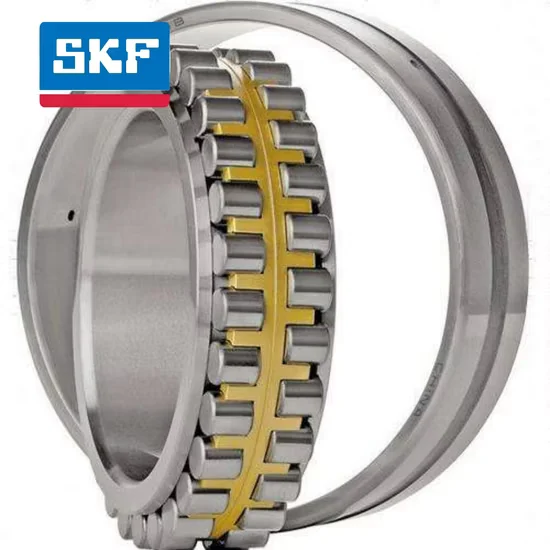 Роликоподшипники цилиндрические SKF Bc1b320811 цилиндрический роликоподшипник C3 Genuine Открыть карточку
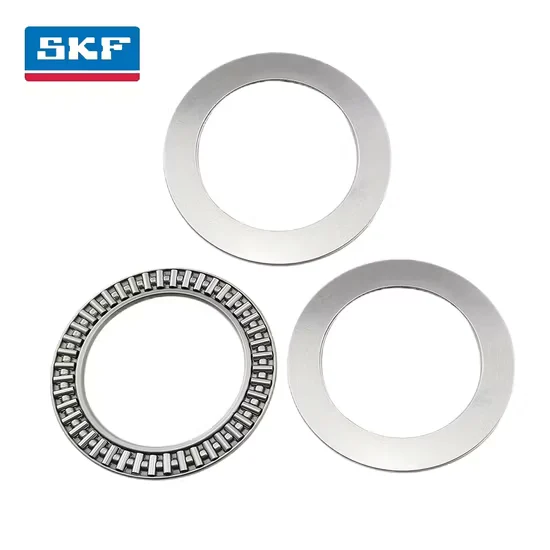 Роликоподшипники упорные SKF 29264 81148-M 29420 E/Vq096 упорковые роликоподшипники для смесителей Открыть карточку
Читайте также
Материалы об идентификации подшипников и закупке для капитального ремонта насосов и компрессоров.
 22 сентября, 2026 · Procurement & Trade FAQs Annual Supply Agreements for Global OEMs: Wholesale Supplier Optimize Annual Supply Agreements for Global OEMs by prioritizing document consistency and batch logistics over unit price. Prevent costly port delays from single character… Читать статью
 22 сентября, 2026 · Procurement & Trade FAQs Genuine Bearings Wholesale Supplier for Small Overseas Workshop Orders Overseas workshops can secure genuine bearings for small orders by leveraging flexible MOQ suppliers who offer mixed-brand consolidation. This approach bypasses OEM rejections and… Читать статью
 22 сентября, 2026 · Procurement & Trade FAQs Genuine SKF FAG NSK Bearings Wholesale Supplier for Global Industrial MRO Clients Master bearing export documentation to prevent customs seizures and costly delays for multi-brand shipments. Ensure smooth clearance with batch-isolated packing lists, original mill certificates,… Читать статью

Соберите подшипники для ремонта насоса и компрессора в один запрос
Process Equipment Company принимает одиночные позиции, полные ремонтные ведомости и подшипники вспомогательного оборудования. В ответ вы получаете письменное предложение по каждой позиции: обозначение, количество, цена и валюта, наличие, срок поставки.
- Модель насоса или компрессора, узел, комплектование, сепаратор и зазор
- Обозначение неполное — приложите чёткое фото маркировки
- Количество по позициям, страна и индекс доставки, требуемая дата поставки
Отправьте перечень на расчёт
Четыре поля — и запрос у менеджера.