
Genuine SKF FAG NSK Bearings Wholesale Supplier for Global Industrial MRO Clients
- Опубликовано:
- Рубрика: Procurement & Trade FAQs
- Автор: Process Equipment Company

Master bearing export documentation to prevent customs seizures and costly delays for multi-brand shipments. Ensure smooth clearance with batch-isolated packing lists, original mill certificates, and consistent traceability labels that verify authenticity across global ports.
A simple commercial invoice is rarely enough to clear a mixed-brand bearing container through strict customs.
Global buyers importing multi-brand bearings must provide batch-isolated packing lists, original mill certificates, and consistent traceability labels to avoid seizure. Digital copies often fail in African and Latin American ports where wet-ink documentation is mandatory for verification.
I still remember the silence on the phone when my client in Lagos told me the container had been seized. It was not because the bearings were fake. The SKF deep groove ball bearings and the domestic Chinese components were all genuine. The problem was how they were packed. I had mixed several boxes of similar-looking units into a single wooden crate without independent tracing labels. To the customs officer, it looked like an attempt to hide counterfeit goods or misdeclare values. The entire shipment was held, fines were levied, and the delay cost far more than the freight itself. That incident reshaped how I view bearing export documentation. It is not just paperwork; it is the physical proof of authenticity that bridges the gap between a factory floor in China and a maintenance workshop in another continent.
This experience is not unique. Many distributors assume that as long as the product is genuine, the paperwork is a formality. However, for a Genuine SKF FAG NSK Bearings Wholesale Supplier for Global Industrial MRO Clients, the documentation is as critical as the steel itself. Without it, even the highest precision P5 class bearing becomes contraband at the port gate.
What Documents Are Mandatory for Multi-Brand Bearing Shipments?
Every mixed-brand shipment requires a specific set of documents that go beyond a standard proforma invoice.
When you consolidate orders from different manufacturers like SKF, FAG, and NSK, each brand has its own packaging standards and certification formats. Customs authorities do not see a "consolidated order"; they see a list of items that must match physical reality. The core document set includes the Commercial Invoice, the Packing List, the Certificate of Origin (COO), and the Mill Test Certificates or Quality Certificates.
The Commercial Invoice must clearly state the Harmonized System (HS) code for each line item. Bearings often fall under specific HS codes depending on their type, such as deep groove ball bearings or tapered roller bearings. Misclassification here triggers immediate inspection delays. More importantly, the invoice must reflect the exact value paid. Under-invoicing to save on duties is a red flag that leads to thorough physical checks, where every box is opened.
The Certificate of Origin is non-negotiable for many regions. It proves where the bearing was manufactured, which affects duty rates under various trade agreements. For a Genuine SKF FAG NSK Bearings Wholesale Supplier for Global Industrial MRO Clients, ensuring the COO matches the brand’s actual production facility is vital. A bearing marked "Made in Germany" but accompanied by a COO from a different region will raise suspicion of transshipment or counterfeiting.
Mill Test Certificates or Quality Certificates provide the technical backbone. These documents confirm that the bearings meet ISO standards for dimensions and tolerance. For high-precision applications in wind power or machine tools, these certificates are often reviewed by the end-user’s engineering team before the goods even leave the port. Missing these originals can lead to rejected clearance in strict jurisdictions.
How to Structure Packing Lists for Mixed-Brand Containers?
Batch isolation and independent labeling on the packing list prevent customs holds and inventory mismatches.
The most common error in multi-brand consolidation is a generic packing list. A list that simply says "1000 bearings, assorted" is useless. Customs officers need to know exactly which box contains which SKU. For a Genuine SKF FAG NSK Bearings Wholesale Supplier for Global Industrial MRO Clients, the packing list must be granular. It should detail the brand, part number, quantity, and batch number for every individual carton.
Consider a container holding SKF spherical roller bearings, FAG cylindrical roller bearings, and NSK angular contact ball bearings. Each brand’s cartons should be palletized separately if possible, or at least clearly segregated within the container. The packing list must reflect this physical separation. If Box 1-10 contains SKF and Box 11-20 contains FAG, the list must state this explicitly. This allows customs to verify a sample from Box 5 against the SKF entry without having to unpack the entire container.
Independent tracing labels are crucial. Each carton should have a label that matches the packing list entry. This label should include the part number, batch number, and brand logo. In my early days, I learned that mixing brands in the same outer carton without internal dividers and separate labels is a recipe for disaster. It creates ambiguity. Ambiguity leads to inspection. Inspection leads to delays.
Furthermore, the batch numbers on the packing list must match the batch numbers printed on the bearing boxes. Inconsistent data suggests tampering. For MRO buyers who rely on quick turnover, a mismatch means hours spent auditing inventory upon arrival. A well-structured packing list acts as a map, guiding the receiver directly to the required stock without guesswork.
Why Do Customs Authorities Reject Bearing Shipments?
Rejections stem from missing traceability, suspicion of counterfeit goods, and HS code errors.
Customs authorities are increasingly vigilant about industrial counterfeits. Bearings are high-value targets for fraud because fake units can look identical to genuine ones but fail catastrophically in operation. When a shipment lacks proper bearing export documentation, it raises the specter of counterfeit goods.
Missing traceability is the primary trigger. If a bearing box has no batch number, or if the batch number does not appear on any accompanying certificate, customs cannot verify its origin. They assume the worst. This is particularly true for premium brands like SKF and FAG. A shipment of these brands without original, wet-ink certificates is often treated as suspect until proven otherwise.
HS code errors are another frequent cause of rejection. Bearings have complex classification rules. A tapered roller bearing might have a different code than a thrust bearing. Using a generic code for all items simplifies the exporter’s job but complicates the importer’s clearance. Customs systems flag discrepancies between the declared code and the physical description. This leads to manual review, which can take days or weeks.
In some regions, particularly in Africa and Latin America, digital copies of documents are not accepted for initial clearance. Officers demand original documents with wet ink signatures and stamps. Sending scanned copies via email might satisfy the buyer’s accounting department, but it will not satisfy the port authority. This requirement is often overlooked by exporters used to digital-first markets. A Genuine SKF FAG NSK Bearings Wholesale Supplier for Global Industrial MRO Clients must anticipate these regional nuances and ship originals via courier ahead of the cargo if necessary.
How to Verify Document Authenticity Before Shipment?
Cross-checking original anti-counterfeit features and batch consistency ensures compliance.
Verification starts before the container is sealed. For a Genuine SKF FAG NSK Bearings Wholesale Supplier for Global Industrial MRO Clients, the process involves three layers of checks. First, verify the physical anti-counterfeit features on the packaging. Major brands use holograms, QR codes, and specific font styles that are difficult to replicate. These features must be visible and intact.
Second, cross-reference the batch numbers. The batch number on the bearing box must match the batch number on the Mill Test Certificate. It must also match the batch number listed on the Packing List. Any discrepancy, even a single digit, indicates a potential mix-up or falsification. This triangulation of data points is the most reliable method to ensure authenticity.
Third, validate the Certificate of Origin. Ensure it is issued by a recognized chamber of commerce or authorized body. The details on the COO, such as the exporter’s name and the consignee’s details, must match the Commercial Invoice exactly. Minor typos can cause significant delays in some jurisdictions.
For mixed-brand orders, this verification becomes more complex. Each brand’s documentation style is different. SKF certificates look different from NSK certificates. Familiarity with these formats is essential. An experienced supplier knows what a genuine FAG certificate looks like and can spot a forgery instantly. This expertise protects the buyer from receiving substandard or fake goods that could cause equipment failure.
Relying on a supplier who understands these intricacies saves time and money. It transforms bearing export documentation from a bureaucratic hurdle into a tool for supply chain security. When the paperwork is correct, the goods move smoothly. When it is not, the costs escalate quickly.
Conclusion
Proper documentation is the key to unlocking smooth customs clearance for global bearing imports.
Buyers must insist on batch-isolated packing lists, original mill certificates, and consistent traceability labels. These elements prove authenticity and prevent costly delays. Partnering with a knowledgeable supplier ensures that every document meets the specific requirements of the destination port.
Материал подготовлен Process Equipment Company — поставщиком подшипников SKF для насосов, компрессоров и технологического оборудования. Заказ определяется полным обозначением SKF по исходной спецификации оборудования.
Подшипники SKF, упомянутые в статье
Позиции каталога, о которых идёт речь в материале. Откройте карточку, чтобы проверить обозначение и запросить цену.
 Шарикоподшипники радиально-упорные SKF 3204-a-C3 Двухрядный радиально-упорный шарикоподшипник C3 Genuine Открыть карточку
 Роликоподшипники цилиндрические SKF N318 Ec M/C3 роликоподшипник C3 Genuine Открыть карточку
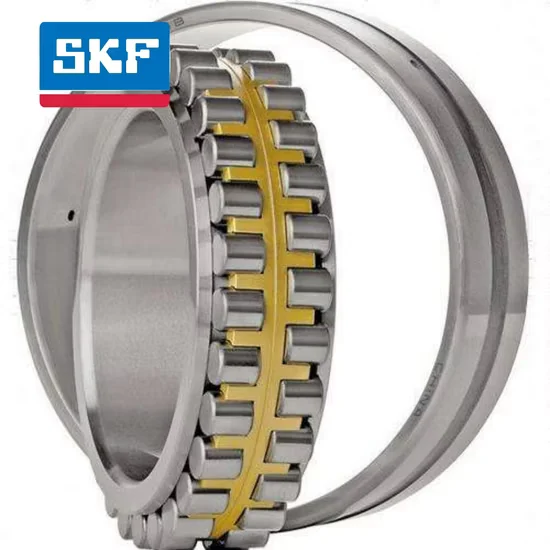 Роликоподшипники цилиндрические SKF Bc1b320811 цилиндрический роликоподшипник C3 Genuine Открыть карточку
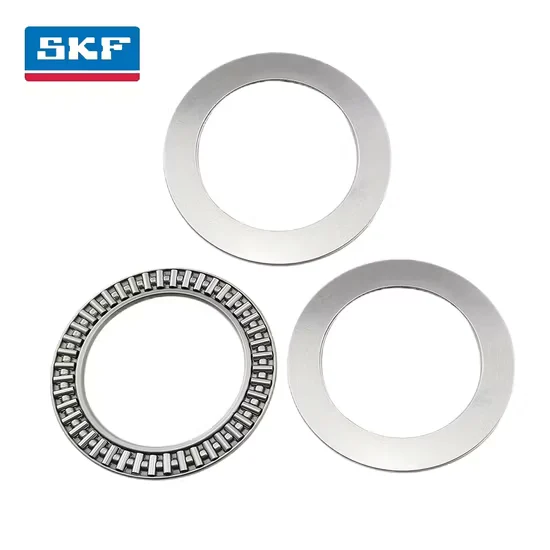 Роликоподшипники упорные SKF 29264 81148-M 29420 E/Vq096 упорковые роликоподшипники для смесителей Открыть карточку
Читайте также
Материалы об идентификации подшипников и закупке для капитального ремонта насосов и компрессоров.
 22 сентября, 2026 · Procurement & Trade FAQs Annual Supply Agreements for Global OEMs: Wholesale Supplier Optimize Annual Supply Agreements for Global OEMs by prioritizing document consistency and batch logistics over unit price. Prevent costly port delays from single character… Читать статью
 22 сентября, 2026 · Procurement & Trade FAQs Genuine Bearings Wholesale Supplier for Small Overseas Workshop Orders Overseas workshops can secure genuine bearings for small orders by leveraging flexible MOQ suppliers who offer mixed-brand consolidation. This approach bypasses OEM rejections and… Читать статью 21 сентября, 2026 · Procurement & Trade FAQs Genuine Bearing Wholesale Supplier: Bulk & Mixed-Brand Orders with Global Shipping Master customs clearance support for bearing importers by fixing mismatched packing lists and moisture issues. Ensure smooth mixed-brand shipments with precise weight distribution, original… Читать статью

Соберите подшипники для ремонта насоса и компрессора в один запрос
Process Equipment Company принимает одиночные позиции, полные ремонтные ведомости и подшипники вспомогательного оборудования. В ответ вы получаете письменное предложение по каждой позиции: обозначение, количество, цена и валюта, наличие, срок поставки.
- Модель насоса или компрессора, узел, комплектование, сепаратор и зазор
- Обозначение неполное — приложите чёткое фото маркировки
- Количество по позициям, страна и индекс доставки, требуемая дата поставки
Отправьте перечень на расчёт
Четыре поля — и запрос у менеджера.