
SKF Specialty Medical Device Bearings Wholesale Supplier
- Опубликовано:
- Рубрика: Buying Guide
- Автор: Process Equipment Company

Procuring genuine SKF medical device bearings demands exact cleanroom grease suffix matching and full traceability to prevent customs seizures. Verify specifications against official datasheets and secure original documentation to ensure reliability for CT scanners and surgical robots while avoiding counterfeit risks.
The bearing model number alone is insufficient for medical device imports.
Procuring genuine SKF medical bearings requires exact specification matching, particularly regarding cleanroom grease suffixes, and full traceability documentation to prevent customs seizures and ensure the reliability of critical equipment like CT scanners and surgical robots.
I still recall the palpable tension in the air when a shipment of high-precision bearings destined for a major hospital equipment manufacturer in Santos, Brazil, was held at customs. The paperwork appeared correct at first glance. The model numbers matched the purchase order. However, the packing list omitted a specific suffix indicating the type of cleanroom grease used. To a customs officer unfamiliar with the nuances of medical-grade lubrication, this omission looked like an attempt to obscure the product’s true nature or origin. The bearings were detained for weeks, suspected of being counterfeit or non-compliant with local health regulations. The delay threatened to halt the assembly line for a new batch of diagnostic imaging machines. We resolved the situation only by providing original, verifiable traceability documents from the manufacturer that explicitly detailed the lubrication specifications and batch history. This incident fundamentally changed how I approach every single order involving medical applications. It is not just about moving metal rings; it is about ensuring that every technical detail aligns with stringent regulatory and operational requirements.
Navigating the procurement of these critical components demands more than just a catalog lookup. It requires a deep understanding of how minor specification differences can lead to major logistical and operational failures. As a global supplier dealing with diverse industrial sectors, we have seen how the standards for medical devices differ vastly from those for heavy machinery or automotive applications. The margin for error is nonexistent.
What Defines SKF Specialty Bearings for Medical Devices?
Medical-grade bearings are defined by their precision, material purity, and specialized lubrication rather than just their dimensions.
In the realm of medical equipment, standard industrial bearings often fall short. The operating environments for devices such as CT scanners, MRI machines, and surgical robots demand exceptional performance characteristics. SKF specialty bearings for medical equipment are engineered to meet these rigorous demands. The primary differentiators include low noise operation, high rotational accuracy, and resistance to corrosion from frequent sterilization processes.
For instance, CT scanners require bearings that can operate at high speeds while maintaining minimal vibration. Any deviation can result in blurred images, leading to misdiagnosis. Surgical robots, on the other hand, need bearings with extremely tight tolerances to ensure precise movement of robotic arms. A slight play in the bearing could compromise the safety and efficacy of a delicate procedure.
The choice of material is also critical. Stainless steel variants are often preferred due to their resistance to rust and ability to withstand harsh cleaning agents. Furthermore, the lubrication must be compatible with cleanroom standards, ensuring no particulate contamination occurs during operation. This is where the distinction between a standard bearing and a medical-specific one becomes clear. It is not merely a matter of branding but of engineered suitability for life-critical applications.
When selecting these components, OEMs must look beyond the basic load ratings. They must consider the environmental conditions the bearing will face. Will it be exposed to radiation? Will it undergo repeated thermal cycling? These factors dictate the need for specialized designs that only top-tier manufacturers like SKF provide in their medical portfolio.
How to Verify Cleanroom Grease Suffixes and Specs?
Exact suffix matching on packing lists and technical datasheets is mandatory to avoid customs holds and ensure operational compatibility.
One of the most common pitfalls in sourcing medical bearings is overlooking the lubrication suffix. In the SKF naming convention, suffixes indicate specific features such as seals, cages, and crucially, lubrication. For medical applications, the grease must meet strict cleanliness standards, often aligned with ISO 14644 for cleanrooms. A generic grease suffix might imply a standard industrial lubricant, which could outgas or shed particles in a sterile environment.
Consider the case of a European manufacturer of laboratory automation equipment. They ordered a batch of thin-section bearings, assuming the standard suffix would suffice. Upon arrival, the quality control team detected a slight odor from the grease, which was unacceptable for their sensitive optical sensors. The entire batch had to be returned and replaced with units specifying the correct cleanroom-compatible lubricant. This error cost them significant time and money, delaying their product launch.
To verify these specs, buyers must cross-reference the suffix on the physical packaging with the official SKF technical datasheet. The packing list provided by the supplier must explicitly state the full part number, including all suffixes. If the suffix is missing or abbreviated, it is a red flag. Our process involves a double-check system where our technical team verifies every suffix against the customer’s application requirements before shipment. This attention to detail prevents the kind of customs delays I experienced in Brazil, where missing information raised suspicions of non-compliance.
It is also advisable to request a certificate of conformity that details the lubrication type. This document serves as proof that the bearing meets the specified cleanroom standards. Without it, even if the bearing itself is genuine, the lack of verification can lead to rejection by end-users who adhere to strict quality protocols.
Why is Original Traceability Critical for Medical Bearings?
Original traceability documents prevent counterfeit seizures and ensure patient safety by verifying the supply chain integrity.
The medical device industry is heavily regulated, and authorities worldwide are increasingly vigilant against counterfeit components. A counterfeit bearing may look identical to a genuine one but can fail catastrophically under load or contaminate a sterile field. Therefore, having a clear, unbroken chain of custody is essential. Original traceability documents from SKF provide this assurance, detailing the manufacturing date, batch number, and inspection results.
A Middle East distributor once faced a severe issue when a local customs authority questioned the authenticity of a shipment of surgical robot bearings. The goods were held pending investigation. Because we provided the full set of original traceability documents, including the factory test certificates and shipping records from the authorized distribution channel, the shipment was released within days. Had these documents been missing or fabricated, the consequences would have been far more severe, potentially involving legal action and loss of licensing.
Traceability is not just about avoiding legal trouble; it is about patient safety. In a surgical setting, a bearing failure can lead to equipment malfunction during a procedure. By ensuring that every bearing can be traced back to its origin, healthcare providers and OEMs can maintain the highest standards of reliability. This is why buying from unauthorized sources or relying on local stock without proper documentation is a risky strategy. Unverified stock may lack the necessary pedigree, exposing buyers to the risk of fake parts.
Our role as a supplier includes maintaining this chain of custody. We source directly from authorized channels and keep meticulous records. When a client requests SKF specialty bearings for medical equipment, they receive not just the product but the complete documentation package that proves its genuineness and compliance. This level of transparency is non-negotiable in the medical sector.
How to Choose the Right SKF Medical Bearing Series?
Match application space and precision needs with specific SKF series such as Reali-Slim for compact designs and thin-section bearings for high precision.
Selecting the correct bearing series involves balancing spatial constraints with performance requirements. For CT scanners, where space is at a premium, SKF Reali-Slim four-point contact bearings are often the ideal choice. These bearings offer a compact design with high load-carrying capacity, allowing for tighter machine layouts without sacrificing performance. The four-point contact design provides stability in both radial and axial directions, which is crucial for the rotating gantries of CT scanners.
In contrast, surgical robots may require thin-section bearings that offer extreme precision and low friction. These bearings are designed to minimize backlash and ensure smooth, controlled movements. The choice between these series depends on the specific mechanical design of the device. An OEM designing a new portable ultrasound machine might prioritize weight and size, leaning towards Reali-Slim options. Meanwhile, a manufacturer of high-end diagnostic equipment might prioritize absolute precision, opting for specialized thin-section variants.
It is important to consult with technical experts during the selection process. Misjudging the load requirements or space constraints can lead to premature failure. Our team provides cross-brand equivalent model consultation and technical selection support to help clients make informed decisions. We analyze the application parameters and recommend the most suitable SKF series, ensuring that the chosen bearing will perform reliably throughout its intended service life.
Additionally, consider the maintenance requirements. Some medical devices are sealed for life, requiring bearings that do not need re-lubrication. Others may allow for periodic maintenance. Understanding these operational constraints helps in selecting the right seal type and lubrication retention features. By aligning the bearing characteristics with the device’s operational profile, OEMs can enhance reliability and reduce total cost of ownership.
Conclusion
Precision, documentation, and traceability are the pillars of successful medical bearing procurement.
Sourcing SKF specialty medical device bearings is a complex task that goes beyond simple purchasing. It requires a meticulous approach to specification verification, particularly regarding cleanroom grease suffixes, and an unwavering commitment to traceability. The experiences shared here highlight the real-world consequences of overlooking these details, from customs delays to operational failures. By prioritizing genuine products with full documentation and leveraging technical expertise for selection, buyers can ensure the reliability and safety of their medical devices. This disciplined approach protects both the manufacturer’s reputation and, ultimately, patient well-being.
Материал подготовлен Process Equipment Company — поставщиком подшипников SKF для насосов, компрессоров и технологического оборудования. Заказ определяется полным обозначением SKF по исходной спецификации оборудования.
Подшипники SKF, упомянутые в статье
Позиции каталога, о которых идёт речь в материале. Откройте карточку, чтобы проверить обозначение и запросить цену.
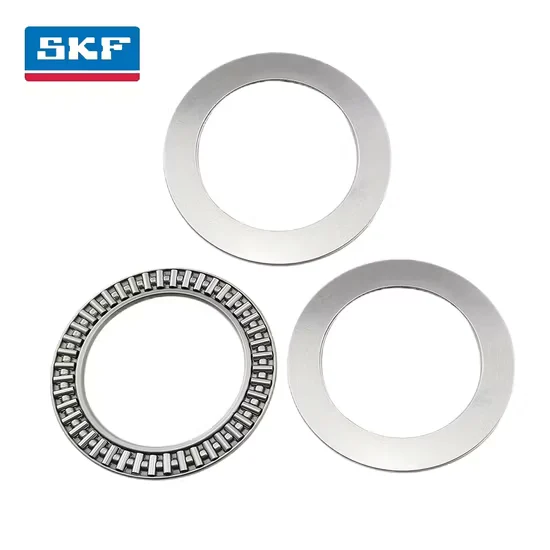 Роликоподшипники упорные SKF 29264 81148-M 29420 E/Vq096 упорковые роликоподшипники для смесителей Открыть карточку
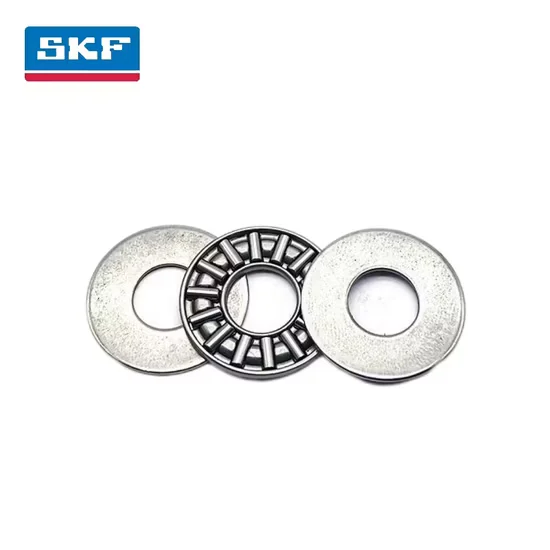 Подшипники шпинделей станков SKF 29330-E сферический роликовый упорный подшипник оригинал Открыть карточку
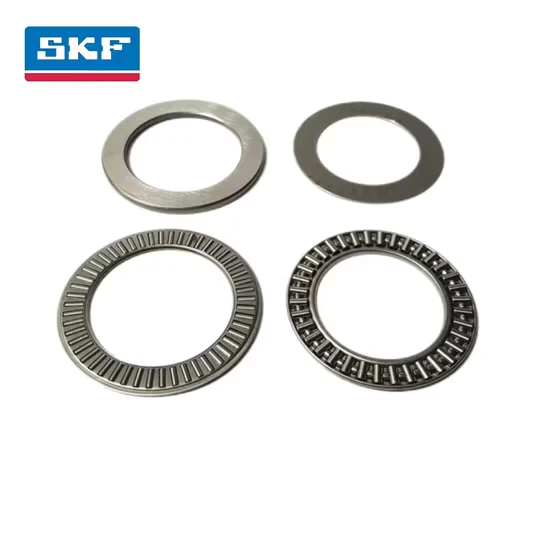 Роликоподшипники упорные SKF AXW 20 / 29348 E/VU029 / 81134 TN осевой подшипник оригинал Открыть карточку
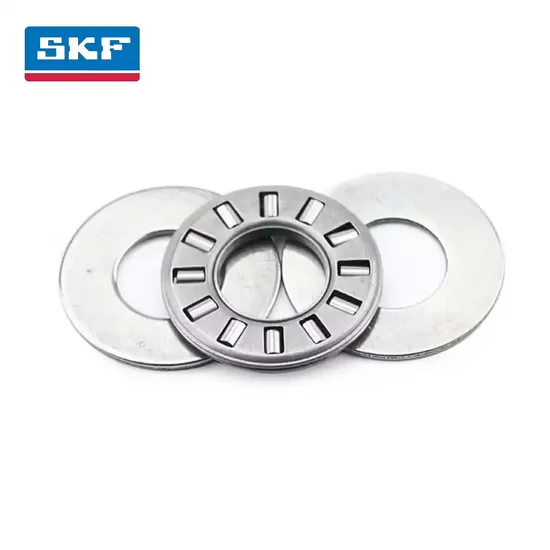 Роликоподшипники упорные SKF 29348 E оригинальный упорный сферический роликоподшипник Открыть карточку
Читайте также
Материалы об идентификации подшипников и закупке для капитального ремонта насосов и компрессоров.
 21 сентября, 2026 · Buying Guide SKF Specialty Bearings Quote: Global Wholesale Supplier for Bulk & MRO Request a quote for SKF specialty products by prioritizing authenticity and customs compliance over base price. Secure genuine bearings with ISPM 15 certified packaging,… Читать статью 21 сентября, 2026 · Buying Guide SKF Specialty Parts Replacement Supplier: Genuine Cross-Reference & Bulk Wholesale Secure genuine replacements for discontinued SKF specialty parts through rigorous dimensional cross-referencing and verified traceability. Move beyond brand labels to match internal clearance and… Читать статью
 21 сентября, 2026 · Buying Guide Genuine SKF Rod Ends & Plain Bearings Wholesale Supplier Protect heavy equipment from catastrophic failure caused by fake SKF rod ends by verifying PTFE liner quality and traceability documents. Counterfeit parts seize under… Читать статью

Соберите подшипники для ремонта насоса и компрессора в один запрос
Process Equipment Company принимает одиночные позиции, полные ремонтные ведомости и подшипники вспомогательного оборудования. В ответ вы получаете письменное предложение по каждой позиции: обозначение, количество, цена и валюта, наличие, срок поставки.
- Модель насоса или компрессора, узел, комплектование, сепаратор и зазор
- Обозначение неполное — приложите чёткое фото маркировки
- Количество по позициям, страна и индекс доставки, требуемая дата поставки
Отправьте перечень на расчёт
Четыре поля — и запрос у менеджера.