
SKF GE..ES vs GE..ES-2RS Sealed or Open? Wholesale Supplier
- Опубликовано:
- Рубрика: Buying Guide
- Автор: Process Equipment Company

Choosing between SKF GE..ES vs GE..ES-2RS depends strictly on environmental contamination and moisture levels, not just initial unit cost. Sealed variants prevent premature failure in dusty or wet zones, while open designs suit high-temperature applications. Avoid costly mismatches by matching bearing structure to your specific operating reality.
Sealed is not always superior.
The choice between SKF GE..ES (open) and GE..ES-2RS (sealed) spherical plain bearings depends strictly on environmental contamination levels and moisture exposure, not merely on initial unit cost. High-dust or wet environments demand the 2RS sealed variant to prevent premature failure, while clean, high-temperature, or continuous re-lubrication scenarios favor the open ES design for better heat dissipation and maintenance access.
I learned this distinction the hard way during my early days in bearing distribution. I once supplied a batch of joint bearings to a cement plant client in Dubai without thoroughly verifying their specific operating zones. I mixed open GE..ES units with sealed GE..ES-2RS models, assuming the sealed ones were universally "better." The result was catastrophic for the open units installed in high-dust crusher areas. Within months, the unprotected sliding surfaces ingested fine cement dust and moisture, leading to rapid seizure and corrosion. The client returned the damaged goods, and the freight costs from the Middle East back to Shenzhen exceeded the value of the bearings themselves. That loss taught me that selecting the correct suffix is not about upselling; it is about matching the bearing structure to the physical reality of the application.
Understanding the structural difference between these two variants is the first step in avoiding costly mismatches. Let us break down the technical specifications and operational implications to ensure you select the right component for your inventory or machinery.
What Do GE..ES and GE..ES-2RS Suffixes Actually Mean?
The suffixes define the outer ring configuration and the presence of sealing elements.
In the SKF naming convention for spherical plain bearings, the base code GE indicates a radial spherical plain bearing. The subsequent letters define critical structural features that dictate performance. The ES suffix denotes an outer ring with a single split, featuring lubrication grooves and holes on both sides. This design allows for easy relubrication and accommodates slight misalignments. However, it lacks integrated protection against external contaminants.
The 2RS suffix adds a layer of complexity and protection. It signifies that the bearing is equipped with heavy-duty contact seals on both sides. These seals are typically made from nitrile rubber (NBR) or similar elastomers designed to retain lubricant within the sliding contact surface while excluding dust, dirt, and water. The internal sliding contact surface in both ES and 2RS variants is usually phosphate-coated steel-on-steel, which requires initial lubrication and periodic maintenance unless specified otherwise.
| Feature | GE..ES (Open) | GE..ES-2RS (Sealed) |
|---|---|---|
| Outer Ring Structure | Single split with lubrication grooves | Single split with lubrication grooves |
| Sealing | None | Heavy-duty contact seals on both sides |
| Contamination Protection | Low | High |
| Heat Dissipation | Superior | Moderate |
| Relubrication Access | Direct and easy | Via seal lip or specific grease nipples if equipped |
| Typical Application | Clean, high-temp, frequent maintenance | Dusty, wet, hard-to-reach locations |
The presence of seals in the GE..ES-2RS model introduces friction and heat generation due to the contact between the seal lip and the inner ring. While this is negligible in most low-speed oscillating applications, it becomes a factor in high-frequency movements. Conversely, the open GE..ES design allows heat to escape more readily and permits visual inspection of the sliding surface, which is crucial for predictive maintenance programs in controlled environments.
How Does Your Environment Dictate the Choice?
Contamination risk is the primary driver, not load capacity.
Many buyers assume that sealed bearings are inherently more robust because they are "protected." This is a dangerous oversimplification. The decision matrix should start with an assessment of the operating environment. If the bearing is exposed to abrasive particles such as cement dust, coal powder, or sand, the open GE..ES variant will fail rapidly. The hard particles embed themselves in the soft phosphate coating or the steel surface, acting as lapping agents that accelerate wear exponentially. In these cases, the GE..ES-2RS is mandatory. The seals act as a physical barrier, significantly extending service life by keeping the sliding interface clean.
However, consider a different scenario: a high-temperature application in a clean steel mill reheating furnace area, or a hydraulic cylinder pin that is regularly greased during scheduled shutdowns. Here, the open GE..ES offers distinct advantages. The absence of seals eliminates the risk of seal degradation due to extreme heat, which can cause NBR seals to harden and crack. Furthermore, the open design allows for thorough flushing of old, degraded grease and the introduction of fresh lubricant, ensuring the sliding surface remains properly conditioned.
Moisture is another critical factor. In marine environments or outdoor construction machinery exposed to rain and washdowns, water ingress is a major threat. Water displaces lubricant and leads to corrosion of the sliding surfaces, causing pitting and increased friction. The GE..ES-2RS provides a necessary defense against moisture, whereas the open GE..ES would require constant, almost impractical, manual protection and relubrication to survive.
A European wind farm operator once reported premature failures in yaw drive bearings. Initially, they used open bearings for ease of inspection. However, the coastal salt spray and humidity led to widespread corrosion within a year. Switching to sealed GE..ES-2RS variants extended the maintenance interval substantially, reducing the need for frequent tower climbs and manual greasing. This shift did not just save on bearing costs; it drastically reduced labor and downtime expenses.
What Are the Hidden Costs of Wrong Selection?
Initial savings on open bearings can lead to exponential total cost of ownership in harsh conditions.
When procuring for stock or specific projects, the price difference between GE..ES and GE..ES-2RS might seem marginal. Buyers often opt for the cheaper open version to improve margin or reduce upfront project costs. This short-term thinking ignores the lifecycle costs associated with premature failure. A failed joint bearing does not just require a replacement part; it triggers a chain of expensive events.
First, there is the cost of unplanned downtime. In a continuous production line, such as a paper mill or mining conveyor, a seized bearing can halt operations for hours or days. The lost revenue far outweighs the price difference between the two bearing types. Second, there is the logistical burden. As I experienced with the Dubai client, returning failed goods or shipping emergency replacements involves significant freight charges, customs clearance delays, and administrative overhead. In remote locations, these costs are magnified.
Third, there is the collateral damage. A failing spherical plain bearing can cause misalignment in the connected machinery, leading to wear on shafts, housings, and adjacent components. Replacing a simple bearing is cheap; repairing a distorted housing or a scored shaft is expensive and time-consuming.
Consider a heavy machinery OEM that switched from open to sealed bearings in their excavator boom joints. While the bill of materials cost increased slightly, the warranty claims related to joint seizure dropped noticeably. The reduction in return freight and replacement labor resulted in a net positive impact on their bottom line. This case illustrates that the "cheaper" option is often the most expensive when viewed through the lens of total cost of ownership.
How to Source and Verify Genuine SKF Bearings?
Traceability and documentation are non-negotiable for critical applications.
The market is flooded with counterfeit or substandard bearings that mimic the appearance of genuine SKF products. Using a fake GE..ES-2RS bearing with inferior seal material or poor-quality steel can lead to rapid failure, regardless of how well you matched the suffix to the environment. For distributors and OEMs, ensuring authenticity is paramount.
Genuine SKF bearings come with specific packaging, labeling, and traceability codes. The steel quality, heat treatment, and precision of the sliding surface meet strict international standards. Counterfeit units often use lower-grade steel, lack proper phosphate coating, or use seals that degrade quickly under stress. Verifying the source involves checking the supplier’s authorization status, requesting material certificates, and inspecting the physical characteristics of the bearing upon receipt.
When sourcing globally, work with suppliers who offer full traceability documentation. This includes batch numbers that can be traced back to the manufacturer’s production facilities. Avoid suppliers who cannot provide clear origin information or who offer prices that seem too good to be true. A reliable partner will also provide technical support to help you verify the suitability of the selected model for your specific application, preventing the kind of mismatch errors that lead to premature failure.
For those managing diverse inventories, consolidating orders from a single, trusted source simplifies logistics and ensures consistency across brands and types. This approach reduces the administrative burden of managing multiple vendors and minimizes the risk of receiving mixed-quality goods.
Conclusion
Select the bearing based on the environment, not the price tag.
Choosing between SKF GE..ES and GE..ES-2RS requires a clear understanding of the operating conditions. Use sealed 2RS variants for dusty, wet, or hard-to-maintain applications to prevent contamination-induced failure. Opt for open ES designs in clean, high-temperature, or frequently serviced environments to leverage better heat dissipation and maintenance access. Ignoring these distinctions leads to higher total costs through downtime, freight, and collateral damage. Ensure you source from verified suppliers to guarantee the integrity of the components and protect your machinery’s reliability.
Материал подготовлен Process Equipment Company — поставщиком подшипников SKF для насосов, компрессоров и технологического оборудования. Заказ определяется полным обозначением SKF по исходной спецификации оборудования.
Подшипники SKF, упомянутые в статье
Позиции каталога, о которых идёт речь в материале. Откройте карточку, чтобы проверить обозначение и запросить цену.
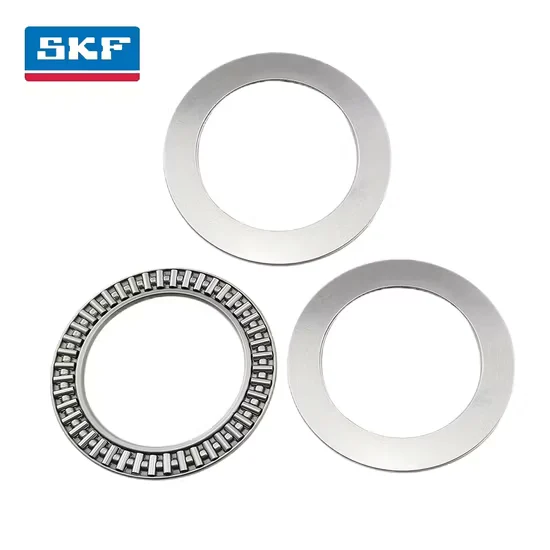 Роликоподшипники упорные SKF 29264 81148-M 29420 E/Vq096 упорковые роликоподшипники для смесителей Открыть карточку
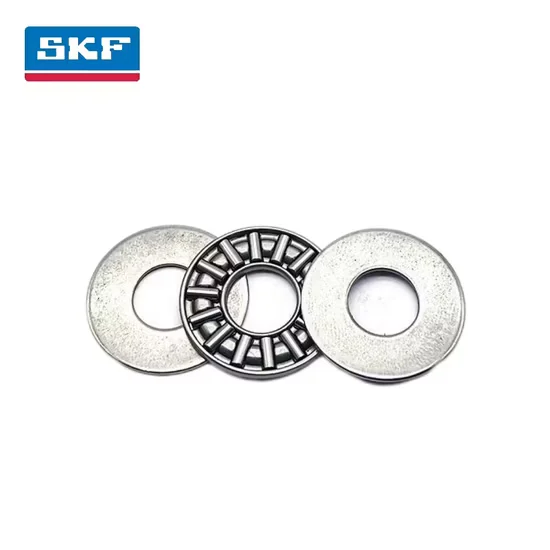 Подшипники шпинделей станков SKF 29330-E сферический роликовый упорный подшипник оригинал Открыть карточку
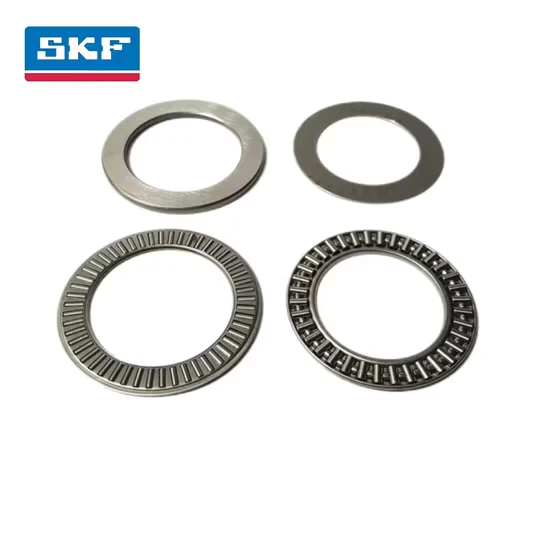 Роликоподшипники упорные SKF AXW 20 / 29348 E/VU029 / 81134 TN осевой подшипник оригинал Открыть карточку
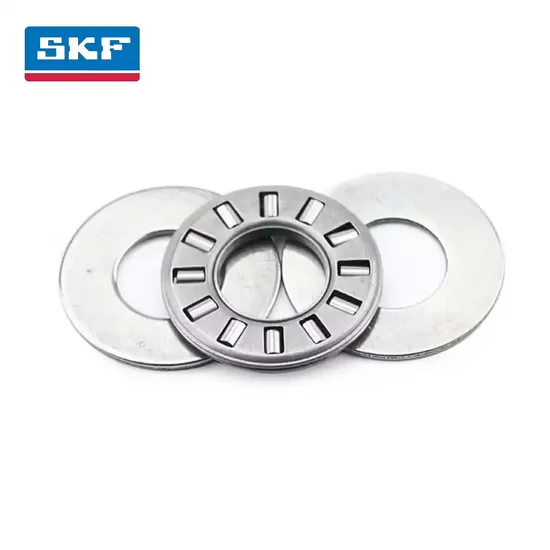 Роликоподшипники упорные SKF 29348 E оригинальный упорный сферический роликоподшипник Открыть карточку
Читайте также
Материалы об идентификации подшипников и закупке для капитального ремонта насосов и компрессоров.
 21 сентября, 2026 · Buying Guide SKF Specialty Bearings Quote: Global Wholesale Supplier for Bulk & MRO Request a quote for SKF specialty products by prioritizing authenticity and customs compliance over base price. Secure genuine bearings with ISPM 15 certified packaging,… Читать статью 21 сентября, 2026 · Buying Guide SKF Specialty Parts Replacement Supplier: Genuine Cross-Reference & Bulk Wholesale Secure genuine replacements for discontinued SKF specialty parts through rigorous dimensional cross-referencing and verified traceability. Move beyond brand labels to match internal clearance and… Читать статью
 21 сентября, 2026 · Buying Guide Genuine SKF Rod Ends & Plain Bearings Wholesale Supplier Protect heavy equipment from catastrophic failure caused by fake SKF rod ends by verifying PTFE liner quality and traceability documents. Counterfeit parts seize under… Читать статью

Соберите подшипники для ремонта насоса и компрессора в один запрос
Process Equipment Company принимает одиночные позиции, полные ремонтные ведомости и подшипники вспомогательного оборудования. В ответ вы получаете письменное предложение по каждой позиции: обозначение, количество, цена и валюта, наличие, срок поставки.
- Модель насоса или компрессора, узел, комплектование, сепаратор и зазор
- Обозначение неполное — приложите чёткое фото маркировки
- Количество по позициям, страна и индекс доставки, требуемая дата поставки
Отправьте перечень на расчёт
Четыре поля — и запрос у менеджера.