
SKF BSD 3062 C Bearing Wholesale Supplier for Sale
- Опубликовано:
- Рубрика: Product & Series Guides
- Автор: Process Equipment Company
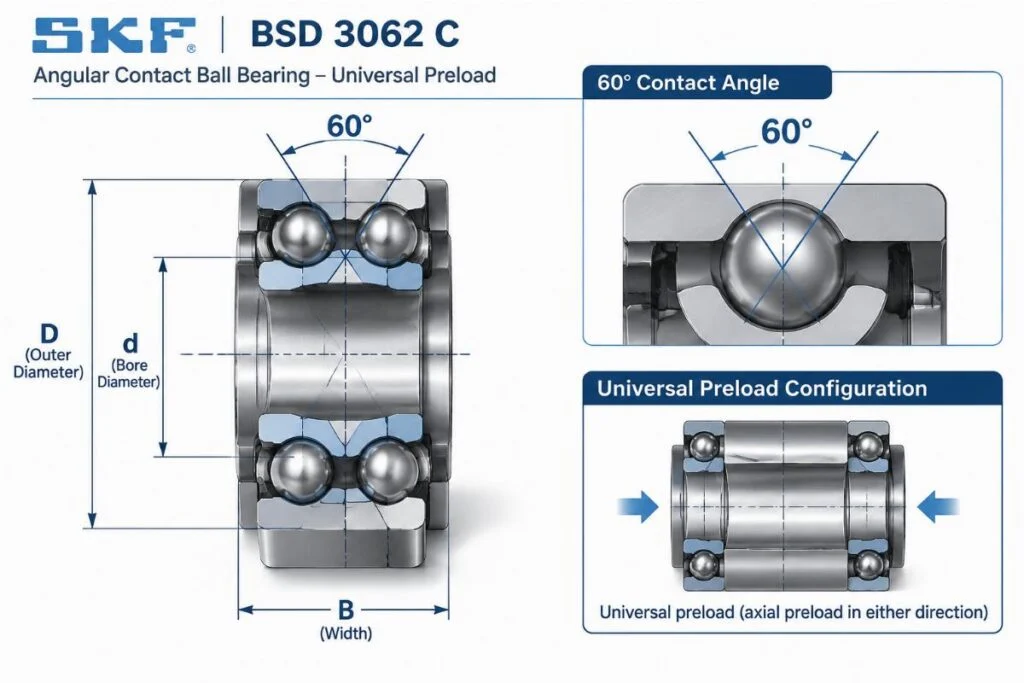
Verify the true SKF BSD 3062 C specs beyond basic 30x62x15mm dimensions to prevent high-speed spindle vibration. Learn how the 60-degree contact angle and universal preload ensure axial rigidity for precision machine tools. Master authenticity checks and alternative selection to avoid costly downtime.
Matching the outer diameter is not enough; ignoring the preload specification guarantees high-speed vibration.
The SKF BSD 3062 C is a 30x62x15mm angular contact ball screw bearing with a 60-degree contact angle and universal preload, designed specifically for high-precision machine tool spindles where axial rigidity and rotational accuracy are critical.
I still remember the silence in the warehouse in Chicago when the client opened the boxes. The dimensions were perfect. The packaging looked authentic. But when they installed the units on their CNC lathes, the spindles screamed at high RPMs. We had received a shipment of standard deep groove ball bearings instead of the specified SKF BSD 3062 C units. The supplier had mixed up the stock to fill a partial order, assuming that a 30mm bore and 62mm outer diameter would fit mechanically. They did fit, but the lack of the specific 60-degree contact angle and the absence of universal preload meant the bearings could not handle the axial loads generated by the ball screws. The entire batch was rejected, resulting in a mid-six-figure loss in downtime and logistics. That incident reshaped how I approach technical verification for every single order since.

Understanding why this specific component fails or succeeds requires looking beyond the basic envelope dimensions. It demands a grasp of how preload interacts with thermal expansion and axial stiffness in precision machinery.
What Are the Core Specs of SKF BSD 3062 C?
The physical envelope of 30x62x15mm is merely the starting point; the defining characteristic is the 60-degree contact angle combined with universal preload.
Most buyers start their search by filtering for inner diameter, outer diameter, and width. While these metrics ensure the bearing fits into the housing, they do not guarantee performance. The SKF BSD 3062 C belongs to a specialized family of angular contact ball bearings designed for ball screw supports. The "BSD" designation indicates a series optimized for high-speed applications with specific cage designs and rolling element geometry. The "C" suffix typically denotes a specific preload class or internal clearance modification, which in this context refers to universal preload suitable for duplex arrangements.
The 60-degree contact angle is crucial. Standard angular contact bearings often feature 15 or 25-degree angles, optimized for combined radial and axial loads in general industrial applications. In contrast, the 60-degree angle in the SKF BSD 3062 C maximizes axial load carrying capacity while minimizing friction during high-speed rotation. This geometry allows the bearing to support the significant thrust forces generated by ball screws without excessive deflection.
| Parameter | Specification Detail | Functional Impact |
|---|---|---|
| Bore Diameter | 30 mm | Fits standard 30mm shaft journals |
| Outer Diameter | 62 mm | Matches standard housing bores for this series |
| Width | 15 mm | Compact design for space-constrained spindle heads |
| Contact Angle | 60 degrees | High axial rigidity, optimized for thrust loads |
| Preload Class | Universal (C) | Suitable for back-to-back or face-to-face duplex mounting |
| Material | GCr15 / Equivalent High-Carbon Chromium Steel | High hardness and fatigue resistance |
A European automation integrator once substituted a standard 7206 angular contact bearing for the SKF BSD 3062 C because the dimensions matched. The machine ran, but the positional accuracy drifted after hours of operation. The lower contact angle could not maintain the necessary axial stiffness under continuous thrust, leading to microscopic shifts in the screw position. This drift translated directly into out-of-tolerance parts. The core specs are not just numbers; they are functional constraints.
Why Preload Matters in Ball Screw Applications?
Preload is not about tightening the bearing until it stops moving; it is about eliminating internal clearance to create a rigid system that resists deflection under load.
In ball screw applications, axial play is the enemy of precision. If a bearing has internal clearance, the ball screw can move axially before the balls engage the raceways. This lag causes backlash, resulting in poor surface finish and positional errors. The SKF BSD 3062 C features universal preload, which means the manufacturer has internally adjusted the bearing to remove this clearance. When two such bearings are mounted in a duplex arrangement (back-to-back or face-to-face), they create a rigid support system that can handle bidirectional axial loads without play.
However, more preload is not always better. Excessive preload increases friction, which generates heat. In high-speed applications, this heat causes thermal expansion of the shaft and housing. If the system expands too much, the preload increases further, creating a vicious cycle that can lead to catastrophic seizure. The universal preload in the SKF BSD 3062 C is engineered to provide optimal stiffness without generating excessive heat under normal operating conditions.
A textile machinery manufacturer in Southeast Asia experienced premature bearing failures after switching to a cheaper alternative with higher static preload. The bearings lasted only a fraction of the expected service life. Investigation revealed that the excessive preload caused rapid temperature rise during continuous operation, degrading the lubricant and causing early fatigue spalling. The correct preload balance is critical for longevity.
| Preload Condition | Axial Rigidity | Heat Generation | Service Life Impact |
|---|---|---|---|
| No Preload (Clearance) | Low | Low | Poor positional accuracy, high vibration |
| Universal Preload (Correct) | High | Moderate | Optimal balance of stiffness and longevity |
| Excessive Preload | Very High | High | Rapid temperature rise, reduced life, seizure risk |
When sourcing a SKF BSD 3062 C, verifying the preload class is as important as checking the dimensions. A bearing with the right size but the wrong preload profile will fail to meet the dynamic requirements of the machine tool.

How to Verify Genuine SKF BSD 3062 C?
Authenticity cannot be determined by packaging alone; verification requires cross-referencing laser etching, surface finish, and traceability documentation.
The market for precision bearings is flooded with counterfeits. These fakes often look convincing from the outside, using copied logos and similar packaging. However, the internal quality—steel purity, grinding precision, and heat treatment—is vastly inferior. Using a fake SKF BSD 3062 C in a high-speed spindle is a recipe for disaster. The steel may contain impurities that lead to early fatigue, or the grinding may be out of tolerance, causing vibration and noise.
To verify genuineness, start with the laser etching on the outer ring. Genuine SKF bearings have precise, clean, and deeply etched markings that are difficult to replicate. The font and spacing should match official samples. Next, inspect the surface finish. Genuine bearings have a smooth, uniform finish on the raceways and outer surfaces. Fakes often show tool marks or uneven polishing. Finally, demand traceability documents. A reputable supplier will provide certificates of origin and quality inspection reports that link the specific batch number to the manufacturer’s production records.
A distributor in the Middle East intercepted a shipment of suspected fake SKF BSD 3062 C units by requesting the original mill test certificates. The supplier could not provide documents matching the batch numbers on the boxes. Further inspection revealed inconsistent laser etching depth and rougher raceway finishes compared to known genuine samples. The shipment was rejected, saving the end-users from potential machine damage.
| Verification Step | Genuine Indicator | Counterfeit Warning Sign |
|---|---|---|
| Laser Etching | Clean, deep, consistent font | Shallow, blurred, or uneven marking |
| Surface Finish | Smooth, uniform, mirror-like raceways | Visible tool marks, rough patches |
| Packaging | High-quality print, correct spelling | Poor print quality, typos, flimsy box |
| Documentation | Full traceability, matching batch numbers | Missing docs, mismatched batch info |
Sourcing from a verified SKF BSD 3062 C wholesale supplier who prioritizes transparency and documentation is the best defense against counterfeits. Do not rely on price as the sole indicator of value.

Which Alternatives Match the BSD 3062 C Specs?
While SKF sets the benchmark, other premium brands offer equivalent specifications, but cross-referencing requires careful attention to preload and internal geometry.
In global supply chains, availability can be a challenge. Sometimes, the exact SKF BSD 3062 C is out of stock, leading buyers to consider alternatives. Brands like FAG, NSK, and NTN produce comparable angular contact ball bearings for ball screw applications. However, "equivalent" does not mean "identical." Each brand has its own designation system and preload classifications.
For instance, an NSK bearing might use a different suffix to denote universal preload. A FAG unit might have slightly different internal clearance limits. Simply swapping brands without verifying these technical details can lead to compatibility issues. It is essential to consult technical datasheets and, ideally, seek advice from suppliers who specialize in cross-brand equivalents. They can map the specific requirements of the SKF BSD 3062 C to the closest match from another manufacturer, ensuring that the contact angle, preload, and dimensional tolerances align.
A machine tool builder in Latin America faced a supply shortage of SKF units. By working with a knowledgeable supplier, they identified an equivalent FAG bearing with matching 60-degree contact angle and universal preload. The transition was seamless, and performance remained consistent. This success was due to rigorous technical comparison rather than simple dimension matching.
| Brand | Series/Designation | Contact Angle | Preload Type | Notes |
|---|---|---|---|---|
| SKF | BSD 3062 C | 60 degrees | Universal | Benchmark for this application |
| FAG | BAXS Series (Equivalent) | 60 degrees | Universal | Check specific suffix for preload |
| NSK | BS Series (Equivalent) | 60 degrees | Universal | Verify internal clearance code |
| NTN | 79 Series (Equivalent) | 60 degrees | Universal | Confirm preload class matches |
When considering alternatives for the SKF BSD 3062 C, always prioritize technical equivalence over brand familiarity. A well-informed selection process ensures reliability regardless of the manufacturer.

Conclusion
Precision in selection prevents vibration in operation.
The SKF BSD 3062 C is a critical component for maintaining the accuracy and stability of machine tool spindles. Its specific 60-degree contact angle and universal preload distinguish it from standard bearings. Verifying authenticity through physical inspection and documentation protects against costly failures. When alternatives are necessary, rigorous technical cross-referencing ensures performance consistency. Sourcing from a trusted partner who understands these nuances is essential for operational success.
Материал подготовлен Process Equipment Company — поставщиком подшипников SKF для насосов, компрессоров и технологического оборудования. Заказ определяется полным обозначением SKF по исходной спецификации оборудования.
Подшипники SKF, упомянутые в статье
Позиции каталога, о которых идёт речь в материале. Откройте карточку, чтобы проверить обозначение и запросить цену.
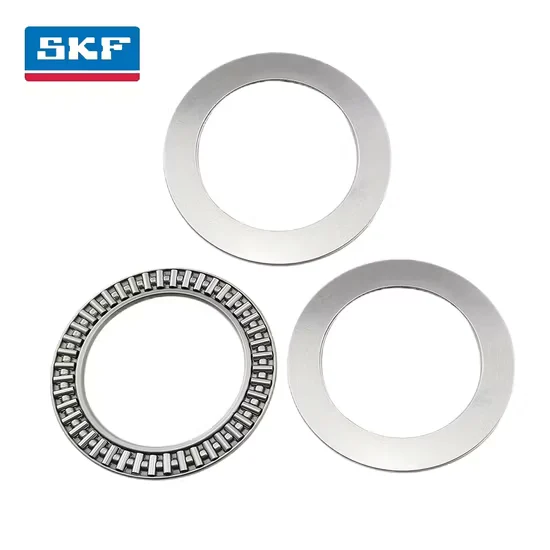 Роликоподшипники упорные SKF 29264 81148-M 29420 E/Vq096 упорковые роликоподшипники для смесителей Открыть карточку
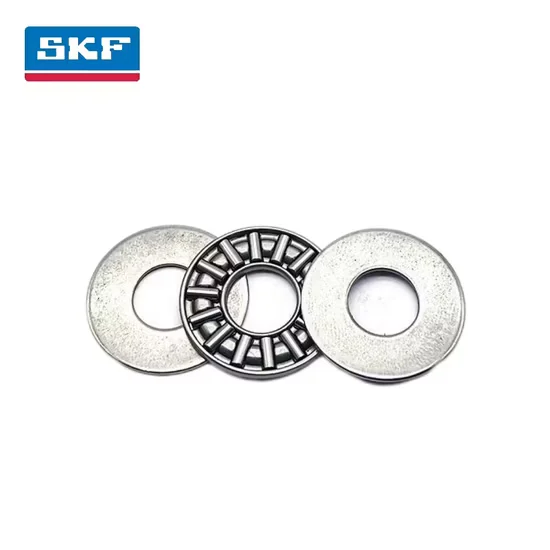 Подшипники шпинделей станков SKF 29330-E сферический роликовый упорный подшипник оригинал Открыть карточку
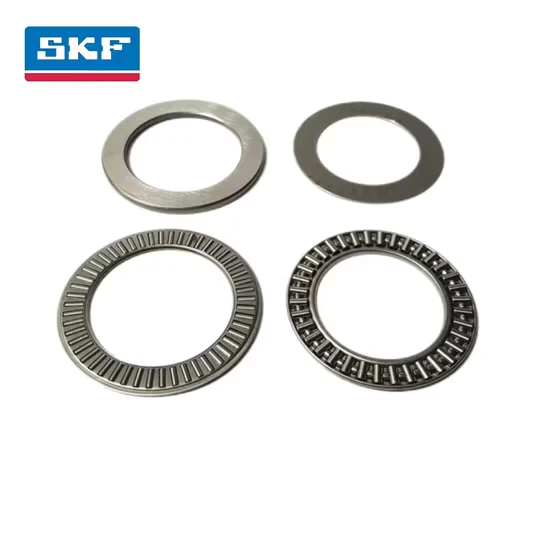 Роликоподшипники упорные SKF AXW 20 / 29348 E/VU029 / 81134 TN осевой подшипник оригинал Открыть карточку
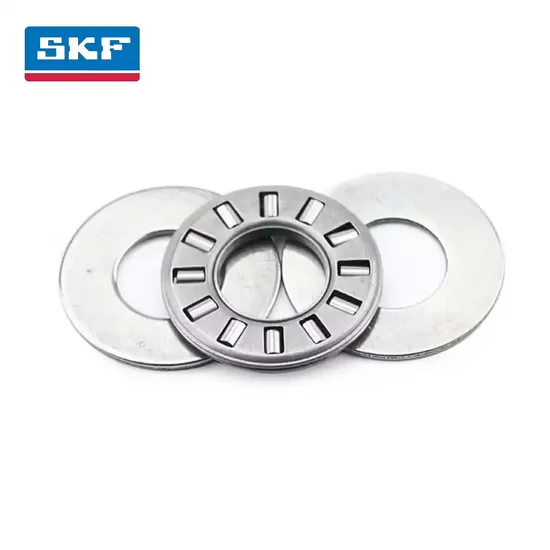 Роликоподшипники упорные SKF 29348 E оригинальный упорный сферический роликоподшипник Открыть карточку
Читайте также
Материалы об идентификации подшипников и закупке для капитального ремонта насосов и компрессоров.
 22 сентября, 2026 · Product & Series Guides SKF 71908 CE/HCP4A Angular Contact Ball Bearing Wholesale Supplier Verify SKF 71908 CE/HCP4A specs to prevent spindle thermal failure from unverified P4A clearance. This guide details 40x62x12mm dimensions, 9.23kN load ratings, and speed… Читать статью
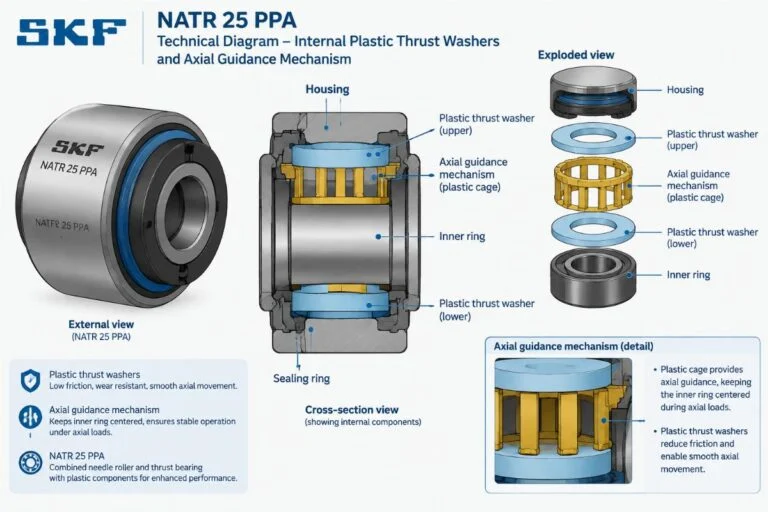 22 сентября, 2026 · Product & Series Guides SKF NATR 25 PPA Track Roller Bearing for Sale Wholesale Supplier Mastering SKF NATR 25 PPA specs requires more than matching the 25 mm bore and 52 mm outer diameter. The critical PPA suffix denotes… Читать статью
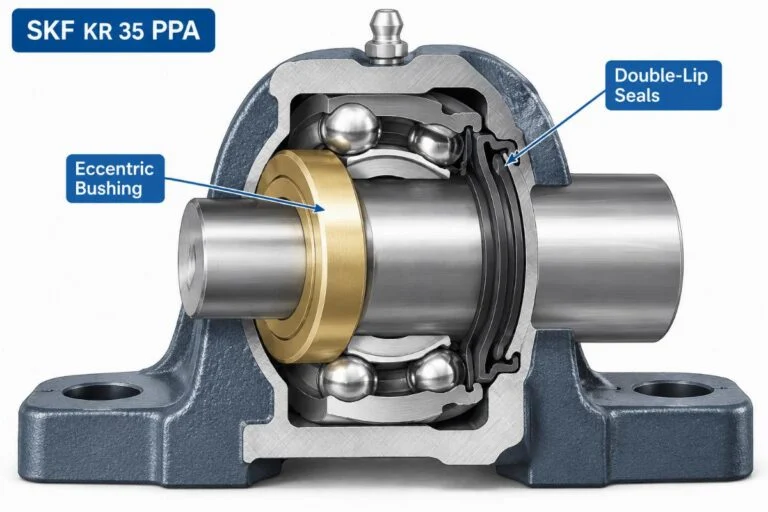 22 сентября, 2026 · Product & Series Guides SKF KR 35 PPA Cam Follower Wholesale Supplier Stop costly downtime by mastering the SKF KR 35 PPA cam follower specs and critical PPA suffix meaning. Verify exact 35mm dimensions, eccentric bushing… Читать статью

Соберите подшипники для ремонта насоса и компрессора в один запрос
Process Equipment Company принимает одиночные позиции, полные ремонтные ведомости и подшипники вспомогательного оборудования. В ответ вы получаете письменное предложение по каждой позиции: обозначение, количество, цена и валюта, наличие, срок поставки.
- Модель насоса или компрессора, узел, комплектование, сепаратор и зазор
- Обозначение неполное — приложите чёткое фото маркировки
- Количество по позициям, страна и индекс доставки, требуемая дата поставки
Отправьте перечень на расчёт
Четыре поля — и запрос у менеджера.