
SKF BSA 205 C Bearing for Sale | Wholesale Supplier
- Опубликовано:
- Рубрика: Product & Series Guides
- Автор: Process Equipment Company

Master SKF BSA 205 C specs beyond basic 25x52x15mm dimensions to ensure high-speed spindle performance. Select the correct preload class and provide precise material descriptions for smooth customs clearance in strict markets. Avoid costly demurrage and premature failures with expert technical guidance.
Dimensions alone do not guarantee performance or customs clearance.
The SKF BSA 205 C is a 25x52x15mm precision angular contact thrust ball bearing designed for high-speed, high-rigidity applications. Its critical specifications include the bore diameter of 25mm, outer diameter of 52mm, and width of 15mm, but its operational success depends entirely on selecting the correct preload class (such as CA or CB) and providing exact material descriptions for customs declarations in strict markets like Latin America.
I still remember the silence on the phone line when a client in Santos called me about a container stuck at the port. The invoice said "Bearing." Just that. No mention of the specific application, no material grade, and certainly no distinction that these were precision angular contact thrust units. The customs officers saw a generic industrial part; the reality was a batch of high-precision spindles components requiring specific handling. The demurrage costs climbed daily, eventually surpassing the value of the cargo itself. That incident reshaped how I approach technical documentation. It is not just about moving metal from point A to point B; it is about ensuring the technical data matches the regulatory expectations of the destination country.
Understanding the SKF BSA 205 C requires looking past the basic measurements. While the physical footprint is standard, the internal geometry and preload settings are what separate a functional spindle from a costly failure. For distributors and OEMs importing into regions with rigorous inspection protocols, mastering these details is the difference between smooth clearance and prolonged detention.
What Are the Core Dimensions of SKF BSA 205 C?
The physical envelope of the SKF BSA 205 C is defined by its 25mm bore, 52mm outer diameter, and 15mm width, but these numbers only tell half the story.
When you hold an SKF BSA 205 C in your hand, it feels substantial for its size. This is because it is not a standard radial bearing; it is an angular contact thrust bearing. This design allows it to handle significant axial loads in one direction while maintaining high rotational speeds. The dimensional tolerances are held to strict international standards, often reaching precision classes that exceed general industrial requirements.
| Parameter | Specification | Note |
|---|---|---|
| Bore Diameter | 25 mm | Critical for shaft fit |
| Outer Diameter | 52 mm | Housing compatibility |
| Width | 15 mm | Axial space requirement |
| Bearing Type | Angular Contact Thrust | Single direction axial load |
| Precision Class | High Precision (P4/P5 equivalent) | Verify specific suffix |
A buyer in Mexico once ordered a batch of these for textile machinery. They focused solely on the 25x52x15mm dimensions, assuming any bearing with those measurements would fit. However, they overlooked the internal clearance and preload. The result was excessive heat generation during operation. The bearings were physically compatible but functionally mismatched. This highlights why the SKF BSA 205 C must be evaluated as a system component, not just a spare part. The load ratings are optimized for high-speed scenarios, meaning the lubrication and mounting conditions must support this capability.
For wholesalers, keeping the SKF BSA 205 C in stock means understanding that its value lies in its precision. It is not a commodity item where one brand’s version seamlessly replaces another without verification. The geometric accuracy ensures minimal runout, which is vital for the end-user’s machine performance. When sourcing, always verify the precision class suffix, as this dictates the allowable deviation in dimensions and running accuracy.
How to Select the Right Preload and Clearance?
Choosing the wrong preload suffix can reduce bearing lifespan by a significant margin, turning a precision component into a premature failure point.
The letter "C" in SKF BSA 205 C indicates the series, but the subsequent suffixes define the preload. Preload is the internal load applied to the bearing before it is mounted. It eliminates internal clearance and increases rigidity. Common preload classes include light (CA), medium (CB), and heavy (CC). Selecting the right one depends on the application’s speed and load requirements.
I recall a spindle manufacturer in Europe who switched suppliers to save costs. The new supplier provided bearings with a heavier preload than specified. Initially, the rigidity seemed better, but within months, the spindles began to fail due to overheating. The excessive preload generated too much friction at high speeds. This is a classic error when dealing with the SKF BSA 205 C. The preload must match the machine’s thermal and mechanical design.
| Preload Class | Rigidity | Speed Limit | Application Suitability |
|---|---|---|---|
| Light (CA) | Moderate | High | High-speed spindles |
| Medium (CB) | High | Moderate | General precision machinery |
| Heavy (CC) | Very High | Low | High-load, low-speed setups |
Using the wrong preload affects more than just temperature. It changes the dynamic behavior of the shaft. For high-speed applications, a lighter preload is often preferred to minimize heat generation. For applications requiring maximum stiffness against cutting forces, a heavier preload might be necessary, provided the speed limits are respected.
When distributing the SKF BSA 205 C, it is crucial to communicate these nuances to local buyers. Many end-users may not realize that a "C" bearing comes in different preload variants. Providing clear technical datasheets that specify the preload class helps prevent installation errors. This level of technical support distinguishes a reliable supplier from a simple box mover. The goal is to ensure the bearing performs as intended by the original equipment manufacturer.
The selection process should involve reviewing the machine’s operating conditions. If the application involves frequent start-stop cycles or varying loads, the preload choice becomes even more critical. Incorrect matching can lead to micro-sliding and surface damage, drastically reducing the service life. Always cross-reference the machine builder’s specifications with the bearing’s preload chart.
Why Do Precision Bearings Fail at Customs?
Customs officers do not care about performance; they care about classification, and vague descriptions trigger inspections that cost time and money.
In many Latin American countries, customs regulations are stringent regarding industrial imports. A generic description like "ball bearing" is insufficient for precision items like the SKF BSA 205 C. Authorities require specific details to determine the correct Harmonized System (HS) code and assess duties accurately. Missing information can lead to the cargo being held for physical inspection, causing delays that disrupt production schedules.
I have seen shipments delayed because the invoice did not specify the material composition. For precision bearings, stating "steel" is not enough. Specifying "chromium steel" or "bearing steel" provides the clarity needed for classification. Additionally, mentioning the application, such as "for machine tool spindles," helps justify the higher value and precision level of the SKF BSA 205 C. Without this context, customs agents may suspect undervaluation or misclassification.
| Document Element | Risk Level | Recommended Description |
|---|---|---|
| Product Name | High | Precision Angular Contact Thrust Bearing |
| Material | Medium | Chromium Steel / Bearing Steel |
| Application | Medium | For Industrial Machine Tools |
| Model Number | Low | SKF BSA 205 C (include full suffix) |
A distributor in Brazil faced a situation where a container of bearings was held for weeks. The issue was not the product itself but the lack of traceability documentation. The invoice lacked the specific model details and material specs. Once the correct documents were provided, including the precise description of the SKF BSA 205 C, the release was processed. However, the demurrage charges were substantial. This experience underscores the importance of accurate paperwork.
To avoid such pitfalls, ensure that every commercial invoice includes the full part number, material type, and intended use. For the SKF BSA 205 C, explicitly stating it is a "precision angular contact thrust bearing" helps differentiate it from standard radial bearings. This specificity aids in faster classification and reduces the likelihood of random inspections. It is a small detail that saves significant headaches downstream.
Furthermore, maintaining complete traceability docs is essential. Some markets require proof of origin or quality certification. Having these documents ready before shipment ensures that if questions arise, they can be answered immediately. This proactive approach minimizes the risk of prolonged detention and keeps the supply chain moving smoothly.
What Are the Installation Pitfalls for 25mm Bore?
Even a perfect bearing will fail if mounted incorrectly, and the 25mm bore of the SKF BSA 205 C demands precise tolerance matching.
Installing an SKF BSA 205 C requires attention to detail. The 25mm bore must match the shaft tolerance precisely. If the fit is too loose, the inner ring will creep, causing wear and heat. If it is too tight, the bearing may crack during mounting or suffer from excessive internal stress.
I once visited a workshop where technicians were using a hammer to install these bearings. This method is unacceptable for precision components. The impact can damage the rolling elements and raceways, leading to early failure. Instead, proper tools such as induction heaters or hydraulic presses should be used. These methods ensure uniform expansion and controlled mounting pressure.
| Installation Step | Common Error | Correct Practice |
|---|---|---|
| Shaft Preparation | Dirty or scratched surface | Clean and inspect for burrs |
| Mounting Method | Hammering | Use induction heater or press |
| Lubrication | Over-greasing | Apply recommended amount |
| Alignment | Misaligned housing | Check parallelism and perpendicularity |
Lubrication is another critical factor. The SKF BSA 205 C is often used in high-speed applications where heat dissipation is vital. Using the wrong type or amount of grease can lead to churning and overheating. Oil-air lubrication is sometimes preferred for very high speeds, but grease is common for general precision use. Always follow the manufacturer’s guidelines for lubricant type and quantity.
Alignment errors are also frequent. If the housing bore is not perpendicular to the shaft axis, the bearing will experience uneven loading. This causes premature wear on one side of the raceway. Checking alignment with dial indicators before final assembly can prevent this issue. For the SKF BSA 205 C, maintaining precise alignment ensures that the axial load is distributed evenly across the balls.
Training installation teams on these best practices is valuable. Many failures are attributed to the bearing when the root cause is poor installation. By emphasizing correct mounting techniques and tolerance checks, distributors can help their customers achieve better performance and longer service life from the SKF BSA 205 C. This technical guidance builds trust and reduces warranty claims.
Conclusion
Precision requires precision in every step, from specification to installation.
The SKF BSA 205 C is a high-performance component that demands careful handling. Its dimensions are just the starting point. Success depends on selecting the correct preload, providing detailed customs documentation, and ensuring proper installation. By focusing on these technical and logistical details, buyers can avoid common pitfalls and maximize the value of their investment.
Материал подготовлен Process Equipment Company — поставщиком подшипников SKF для насосов, компрессоров и технологического оборудования. Заказ определяется полным обозначением SKF по исходной спецификации оборудования.
Подшипники SKF, упомянутые в статье
Позиции каталога, о которых идёт речь в материале. Откройте карточку, чтобы проверить обозначение и запросить цену.
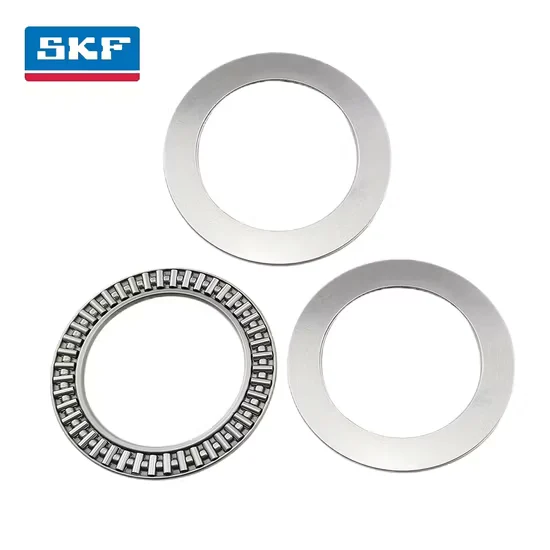 Роликоподшипники упорные SKF 29264 81148-M 29420 E/Vq096 упорковые роликоподшипники для смесителей Открыть карточку
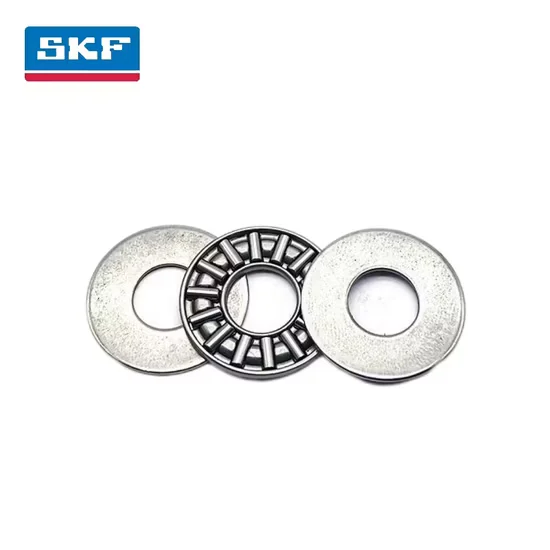 Подшипники шпинделей станков SKF 29330-E сферический роликовый упорный подшипник оригинал Открыть карточку
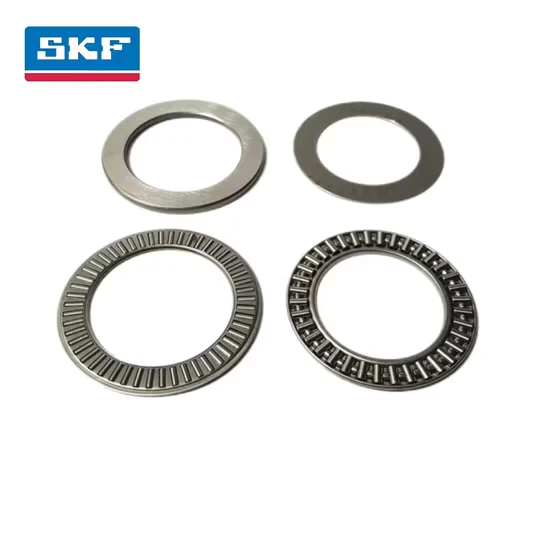 Роликоподшипники упорные SKF AXW 20 / 29348 E/VU029 / 81134 TN осевой подшипник оригинал Открыть карточку
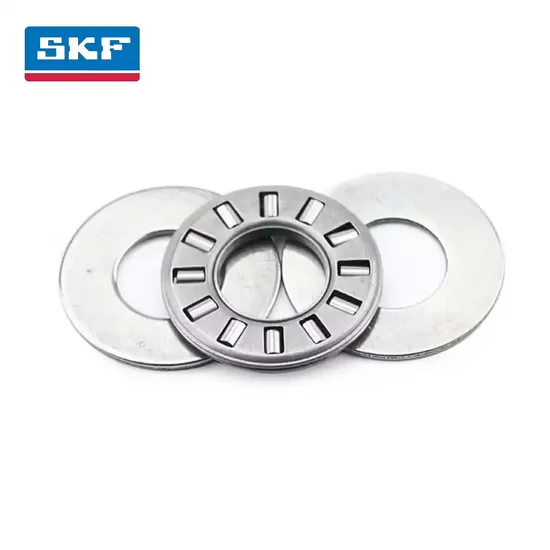 Роликоподшипники упорные SKF 29348 E оригинальный упорный сферический роликоподшипник Открыть карточку
Читайте также
Материалы об идентификации подшипников и закупке для капитального ремонта насосов и компрессоров.
 22 сентября, 2026 · Product & Series Guides SKF 71908 CE/HCP4A Angular Contact Ball Bearing Wholesale Supplier Verify SKF 71908 CE/HCP4A specs to prevent spindle thermal failure from unverified P4A clearance. This guide details 40x62x12mm dimensions, 9.23kN load ratings, and speed… Читать статью
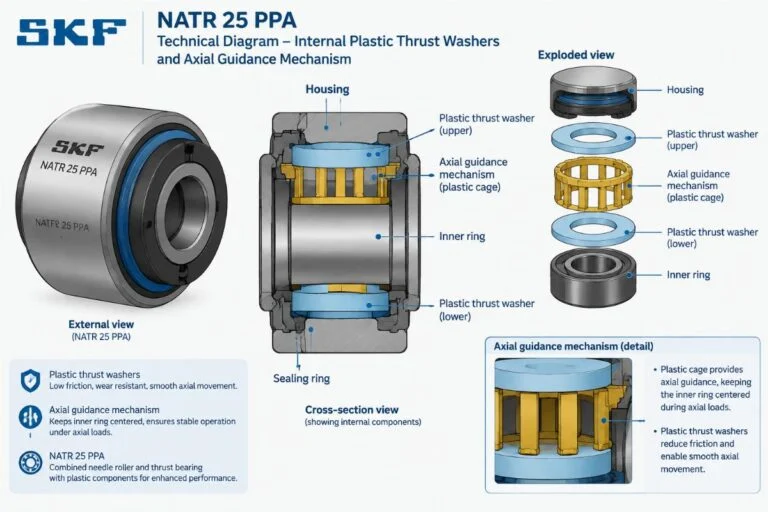 22 сентября, 2026 · Product & Series Guides SKF NATR 25 PPA Track Roller Bearing for Sale Wholesale Supplier Mastering SKF NATR 25 PPA specs requires more than matching the 25 mm bore and 52 mm outer diameter. The critical PPA suffix denotes… Читать статью
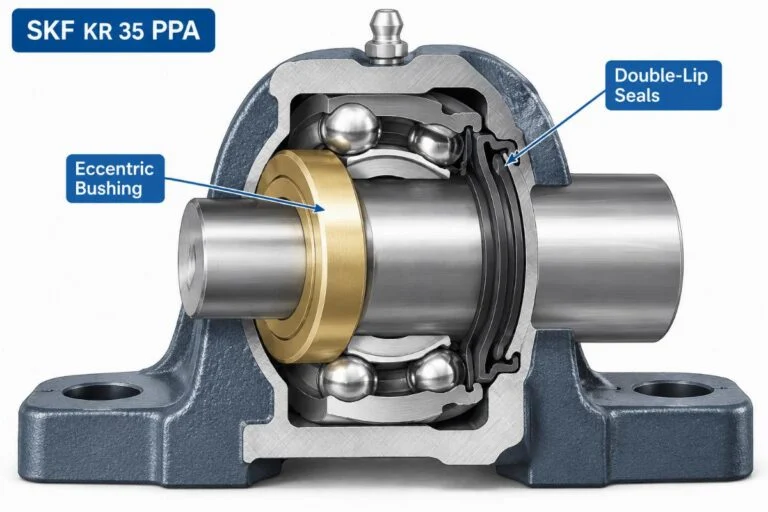 22 сентября, 2026 · Product & Series Guides SKF KR 35 PPA Cam Follower Wholesale Supplier Stop costly downtime by mastering the SKF KR 35 PPA cam follower specs and critical PPA suffix meaning. Verify exact 35mm dimensions, eccentric bushing… Читать статью

Соберите подшипники для ремонта насоса и компрессора в один запрос
Process Equipment Company принимает одиночные позиции, полные ремонтные ведомости и подшипники вспомогательного оборудования. В ответ вы получаете письменное предложение по каждой позиции: обозначение, количество, цена и валюта, наличие, срок поставки.
- Модель насоса или компрессора, узел, комплектование, сепаратор и зазор
- Обозначение неполное — приложите чёткое фото маркировки
- Количество по позициям, страна и индекс доставки, требуемая дата поставки
Отправьте перечень на расчёт
Четыре поля — и запрос у менеджера.